Chipmunks are undeniably cute. With their striped backs and chubby cheeks, they’re a fixture of suburban yards and woodland gardens alike. But beneath that adorable exterior lies a surprisingly destructive force—one that can uproot plants, collapse garden beds, and undermine the structural integrity of your yard.
If you’ve noticed small holes appearing in your garden, or your carefully planted bulbs have gone missing overnight, chipmunks are likely the culprit. This guide covers everything you need to know to identify chipmunk activity, take back your garden, and keep it protected for the long haul.
How to Tell If Chipmunks Are Damaging Your Garden
Signs of Chipmunk Presence
Chipmunks are active during the day, which makes them easier to spot than many other garden pests. Still, the damage they leave behind is often the first clue.
Watch for:
- Small, clean-edged holes (about 2 inches in diameter) scattered across garden beds or near structures
- Missing bulbs or seedlings, particularly tulips, crocuses, and sunflower seeds
- Shallow digging around the base of plants or along garden borders
- Chipmunk sightings near bird feeders, compost bins, or dense shrubs
How to Locate Burrows and Tunnels
Chipmunk burrows are deceptively tidy. Unlike moles or voles, chipmunks don’t leave mounds of dirt around their entrances—they carry the soil away to conceal the opening. Look for small holes near rocks, tree roots, wood piles, and retaining walls. These are prime real estate for a chipmunk looking to set up home.
Tunnels can extend several feet underground, with multiple chambers for food storage and nesting. That’s what makes them such a serious garden threat—the damage isn’t always visible until it’s significant.
Why Chipmunk Burrows Are a Real Garden Threat
A single chipmunk tunnel might seem harmless. But chipmunk populations can grow quickly, and their combined burrowing activity can:
- Destabilize root systems of established plants and shrubs
- Displace or consume planted bulbs before they ever get the chance to bloom
- Create voids beneath garden paths, patios, and retaining walls
- In severe cases, undermine the foundations of sheds and home structures
The damage accumulates faster than most gardeners expect. Early intervention is always easier—and cheaper—than dealing with an established colony.
Effective Strategies for Chipmunk Control
Cultural and Habitat Modifications
Removing Attractants
The most sustainable form of chipmunk control starts with making your yard less appealing. Chipmunks are drawn to reliable food sources, so eliminating these is your first line of defense.
- Switch to squirrel-proof bird feeders, or remove feeders during peak chipmunk season
- Store birdseed, pet food, and bulbs in sealed, hard-sided containers
- Clean up fallen fruit, nuts, and berries regularly
- Keep compost bins tightly covered
Protecting Vulnerable Plants
Bulbs are a chipmunk favorite. Before planting, line your garden beds with hardware cloth (more on that below) or use bulb cages to shield individual plantings. Daffodils and alliums are naturally unappealing to chipmunks and can be planted as a deterrent alongside more vulnerable species.
Exclusion Techniques
Fencing and Barriers
Physical barriers are one of the most reliable long-term solutions. A fence won’t stop a determined chipmunk on its own—they’re excellent climbers and diggers—but when installed correctly, it significantly reduces access.
Use an L-shaped footer design: bury the fence at least 6 inches underground and bend it outward at a 90-degree angle. This discourages burrowing beneath the barrier.
Using Hardware Cloth
Hardware cloth (a rigid wire mesh with small openings) is especially effective for protecting raised beds and container gardens. Line the bottom of garden beds before filling with soil to block tunneling from below. A ½-inch mesh size is recommended to prevent entry.
Repellents: Natural and Commercial Options
Scent-Based Deterrents
Chipmunks rely heavily on their sense of smell. Several scents are known to deter them effectively:
- Predator urine (fox or coyote) applied around garden perimeters
- Peppermint oil diluted and sprayed near burrow entrances
- Garlic and cayenne pepper scattered around vulnerable plants
These need to be reapplied regularly, especially after rain, to remain effective.
Taste-Based Repellents
Commercial repellent sprays—often containing capsaicin or putrescent egg solids—can be applied directly to plants and soil. These create an unpleasant taste that discourages feeding and digging. Always follow product instructions and reapply after watering or rainfall.
Trapping and Removal
Live Trapping Methods
Live chipmunk trapping is a humane and effective way to remove chipmunks from your property. Small wire cage traps baited with peanut butter, sunflower seeds, or oats work well. Traps should be placed near burrow entrances or along established chipmunk pathways.
Traps should be checked frequently—at least twice daily—to minimize stress on captured animals. Once caught, chipmunks must be relocated at least five miles from your property to prevent them from returning.
Professional Trapping Services
If the infestation is large or persistent, professional chipmunk removal is worth considering. Wildlife control specialists have the tools, training, and local knowledge to address chipmunk problems efficiently and humanely—while also identifying conditions on your property that are attracting them in the first place.
Long-Term Prevention and Maintenance
Maintaining a Less Appealing Environment
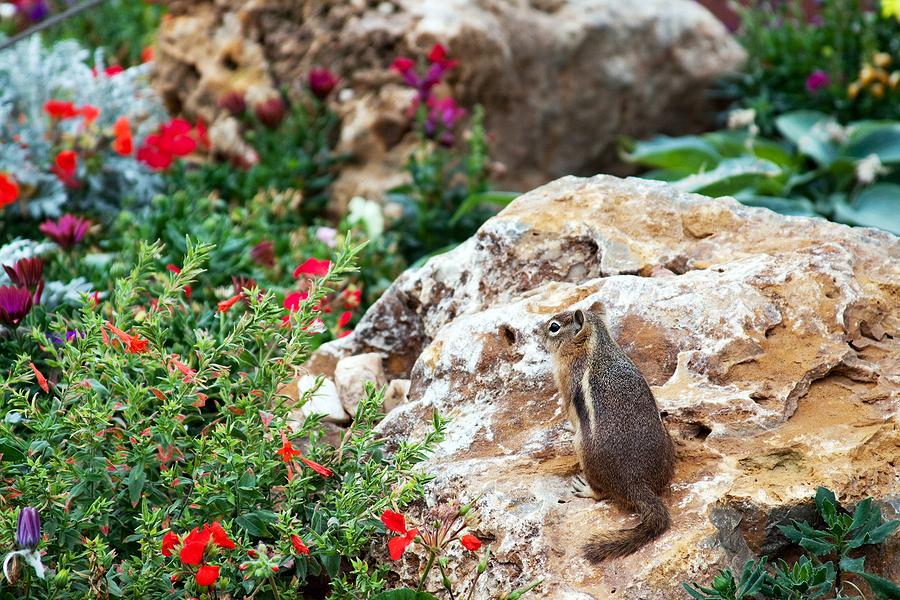
Ongoing prevention is just as important as the initial response. Keep landscaping tidy—dense ground cover, wood piles, and rock gardens all provide ideal chipmunk habitat. Trim shrubs so they don’t touch the ground, and store firewood away from the home’s foundation.
Regular Garden Inspections
Walk your garden weekly during peak seasons (spring and fall) to catch new burrow activity early. Look for fresh holes, disturbed mulch, or chewed plant stems. Catching a problem at one or two chipmunks is far simpler than addressing a full colony.
Frequently Asked Questions About Chipmunk Control
Are chipmunks good for anything?
Yes. Chipmunks play a role in seed dispersal and soil aeration, and they serve as prey for hawks, foxes, and other predators. The goal of most control programs isn’t elimination—it’s managing their presence so they don’t cause damage to your property.
Do chipmunks carry diseases?
Chipmunks can carry diseases including plague, salmonella, and in rare cases, rabies. They can also harbor ticks that transmit Lyme disease. This is another reason to avoid direct handling and to call a professional when dealing with a significant infestation.
Can chipmunks damage house foundations?
Yes, though it’s more common with large populations over time. Extensive tunnel networks beneath patios, walkways, and foundations can create voids that lead to settling and structural damage. If you notice burrow activity close to your home, it’s worth addressing promptly.
Reclaim Your Garden—Before the Damage Deepens
Chipmunks may be small, but their impact on a garden can be surprisingly significant. Consistent burrow activity, stolen bulbs, and destabilized soil are all problems that worsen the longer they go unaddressed. The good news is that with the right combination of habitat modification, exclusion, and targeted removal, you can protect your garden effectively.
Dealing with chipmunks in Indianapolis or the surrounding area? Skip the guesswork and call in the professionals. Request an on-site estimate with Trapper Joe himself—serving Indianapolis and nearby communities with expert, humane chipmunk trapping and wildlife control. Get your yard back.
Related Posts:
Wildlife-Proofing Your Home: Tips for Every Season
Stop the Scratching: How to Prevent Squirrels from Nesting in Your Roof
Top 5 Wildlife Pests in Indianapolis and How to Manage Them