A raccoon rummaging through your trash might seem like a minor inconvenience. But left unchecked, a raccoon problem can escalate into thousands of dollars in property damage, serious health risks, and a headache that doesn’t go away on its own.
Raccoons are intelligent, adaptable animals—and they thrive in suburban and urban environments. Indianapolis and the surrounding areas are no exception. Whether you own a home, manage a commercial property, or both, knowing how to identify, control, and prevent raccoon activity can save you significant time, money, and stress. This post covers everything you need to know.
Signs You Have a Raccoon Problem
Catching a raccoon problem early makes a big difference. Here’s what to look for.
Physical Damage to Your Property
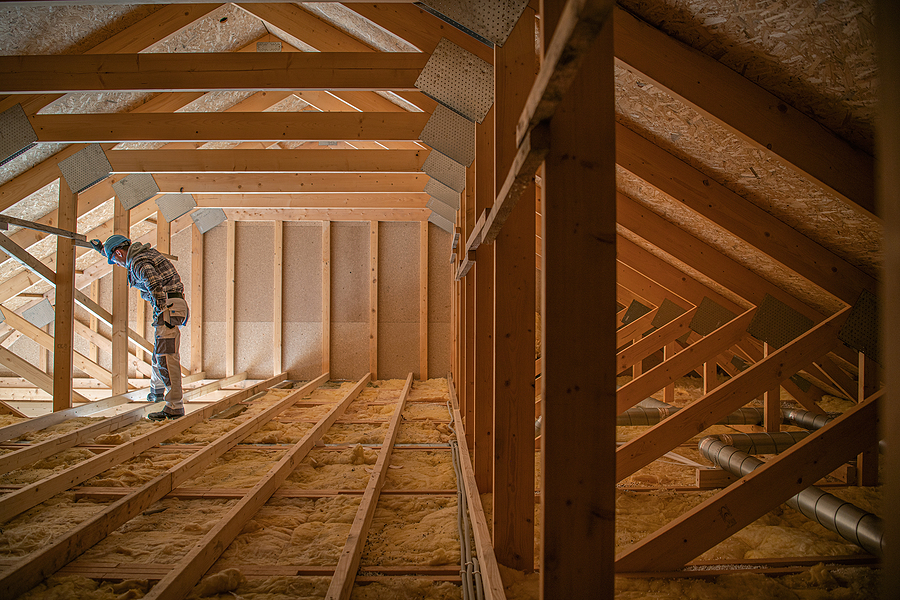
Raccoons are surprisingly strong. They can claw through weakened shingles, tear away attic vent screens, and bend the metal blades of attic fans—sometimes causing motors to overheat and creating a fire hazard. Once inside your attic, they’ll rip up insulation to create a nesting site and designate specific areas as latrine sites, contaminating materials with urine and feces.
Droppings and Odor
Raccoons use the same spots repeatedly to defecate—known as communal latrines. If you notice a strong, persistent odor in or around your home, or find concentrated droppings on your roof, in your attic, or near your foundation, raccoons may have already taken up residence.
Nocturnal Sounds
Raccoons are primarily nocturnal. If you hear thumping, scratching, or chittering sounds in your attic or walls after dark, that’s a strong indication something has moved in.
Garden and Trash Damage
Torn trash bags, overturned bins, rolled-back sod, and stripped vegetable gardens are classic signs of raccoon foraging. They’re scavengers at heart and will return to reliable food sources night after night.
Health and Safety Risks of Raccoons
Raccoons aren’t just a nuisance—they’re a genuine public health concern.
Disease Transmission
Three diseases are most commonly associated with raccoons:
Rabies – Raccoons are among the most frequently reported rabies carriers in the United States, particularly in eastern and southeastern states. Any raccoon acting erratically or appearing during daylight hours should be treated as a potential rabies risk.
Raccoon Roundworm (Baylisascaris) – This intestinal parasite is shed through raccoon feces. Roundworm eggs can survive in soil for several years and, if accidentally ingested by humans, can migrate to the liver, brain, eyes, or spinal cord—causing serious neurological damage.
Leptospirosis – A bacterial infection spread through raccoon urine that can contaminate soil and standing water. Both people and pets are at risk, and in dogs, leptospirosis can be fatal.
Bite and Scratch Hazards
A cornered or frightened raccoon will bite or scratch. Even without rabies exposure, raccoon bites carry significant infection risk. Pets that encounter raccoons are also at risk—particularly dogs, who are especially vulnerable to leptospirosis.
Structural and Legal Concerns
A raccoon nesting in your attic won’t leave quietly. The longer the infestation continues, the more insulation is ruined, the more structural damage accumulates, and the more contamination spreads. For business owners, there’s also potential liability to consider if raccoon activity creates unsafe conditions on your property.
Humane Raccoon Control Methods
When raccoons have already made themselves at home, removal needs to be handled carefully.
Live Trapping
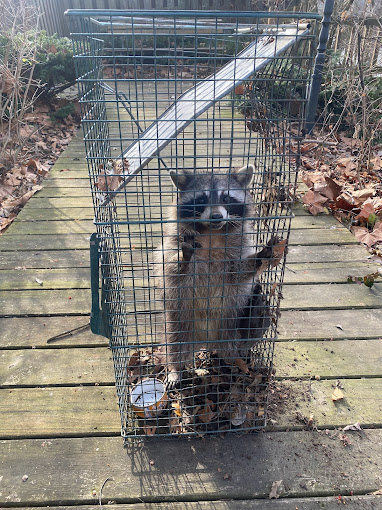
Cage traps baited with sweet or protein-rich foods are the most common removal method. Once trapped, animals must be handled in accordance with local regulations (more on that below). Live trapping is effective, but placement and timing matter—and an improperly set trap can injure the animal or miss the problem entirely.
One-Way Door Exclusion
One-way doors are installed over raccoon entry points, allowing the animal to exit but not re-enter. This is a particularly humane method and works well when raccoons are active. However, it must be done carefully—if young are left inside, the mother will tear her way back in.
Sealing Entry Points
Once raccoons are removed, sealing the entry points that allowed access is critical. Chimney caps, reinforced vent covers, and repaired roofing materials are all part of a complete exclusion strategy.
Prevention Strategies for Long-Term Results
The best raccoon control is the kind that stops an infestation before it starts.
Secure Trash and Food Sources
Use heavy-duty, locking trash cans or store bins inside a garage until collection day. Never leave pet food, bird feeders, or compost piles accessible overnight. Raccoons are opportunists—eliminate the food source and they’ll look elsewhere.
Remove Entry Points and Shelter
Trim tree branches that hang over or near your roofline, as raccoons use these as bridges to your home. Fill in holes beneath decks, porches, and sheds where raccoons may try to den. Inspect your roof regularly for weak or damaged shingles.
Install Chimney Caps and Vent Covers
Open chimneys are irresistible to raccoons looking for a dark, enclosed shelter. A chimney cap is one of the most cost-effective investments you can make. Reinforce attic vents with heavy-gauge wire mesh rather than standard screening.
DIY vs. Professional Raccoon Control
When Can You Handle It Yourself?
For minor issues—securing trash cans, trimming branches, sealing small exterior gaps—DIY prevention is entirely reasonable. Indiana law also permits property owners to trap nuisance wildlife on their own property without a special permit.
Indiana’s Raccoon Control Regulations
Here’s where it gets important. Under Indiana law (IC 14-22-38), trapped raccoons must either be released within the county of capture or humanely euthanized. Cross-county relocation is not permitted, as it spreads disease and disrupts local wildlife populations. Additionally, anyone trapping or removing wildlife for compensation must hold a current Indiana DNR Nuisance Wildlife Control Operator registration—passing a DNR exam and renewing annually.
Why Professional Help Is Often the Better Choice
Attic infestations, mother raccoons with young, and disease-contaminated spaces are not DIY territory. A licensed raccoon removal service has the training, equipment, and legal authority to remove raccoons safely, repair damage, and implement exclusion measures that actually hold. The upfront cost of professional removal is almost always less than the cost of an untreated infestation.
Frequently Asked Questions
How do I know if a raccoon is in my attic?
Listen for thumping or scratching sounds at night. Go outside during the day and look for torn shingles, bent vent covers, or holes in the roofline. A strong odor coming from the attic is another reliable indicator.
Is it legal to trap and relocate raccoons in Indiana?
Property owners can trap raccoons on their own land, but Indiana law requires trapped animals to be released within the same county or humanely euthanized. Cross-county relocation is not permitted. Anyone performing removal for compensation must be registered with the Indiana DNR.
What’s the best time to remove raccoons?
Late summer and fall—before females give birth in early spring—is generally the safest window for removal. If young are present, a licensed professional should handle removal to avoid separating a litter.
How can I prevent raccoons from returning?
Seal all potential entry points, secure food sources, and install chimney caps and reinforced vent covers. A professional inspection can identify vulnerabilities you might miss on your own.
Don’t Wait Until the Damage Is Done
Raccoon problems rarely resolve themselves. The longer an infestation goes unaddressed, the more extensive—and expensive—the damage becomes. Prompt action protects your property, your health, and your peace of mind.
If you’re dealing with a raccoon problem in Indianapolis or the surrounding area, Trapper Joe’s Wildlife Control provides reliable, professional wildlife removal services. Call 317-832-5840 to schedule your service.
Related Posts:
Raccoons in Your Attic? A Guide to Safe Animal Removal
Animal-Proof 101: Things That Attract Nuisance Wildlife to Your Property
Top 5 Wildlife Pests in Indianapolis and How to Manage Them