Hearing the gentle chirp of a bird or spotting a squirrel in your yard can be a delightful part of nature. However, when these animals decide to move into your attic or burrow under your foundation, that charm quickly fades. Wildlife intrusions cause serious stress for homeowners, often leading to severe property damage and unexpected financial burdens.
The reality is that wild animals are constantly seeking food, water, and shelter. Your home provides the perfect environment for them to thrive, especially as natural habitats shrink. Unfortunately, their nesting and foraging behaviors clash directly with the structural integrity of your house.
By learning how different animals operate and the damage they cause, you can take proactive steps to protect your property. This guide will walk you through the most common wildlife threats, the specific types of damage they inflict, and the most effective ways to keep your home safe and secure.
Common Wildlife Pests and Their Destructive Habits
Different animals interact with your property in unique ways. Identifying which pests are common in your area is the first step toward effective prevention.
Rodents: Gnawing Threats to Wires and Structures
Mice, rats, and squirrels possess front teeth that never stop growing. To keep these teeth filed down, rodents chew on almost anything they can find. Once they breach your home’s exterior, they will gnaw through wooden support beams, drywall, and PVC pipes. Even worse, they frequently chew through electrical wiring, creating a massive safety hazard for your family.
Raccoons and Opossums: Raiding Gardens and Attics
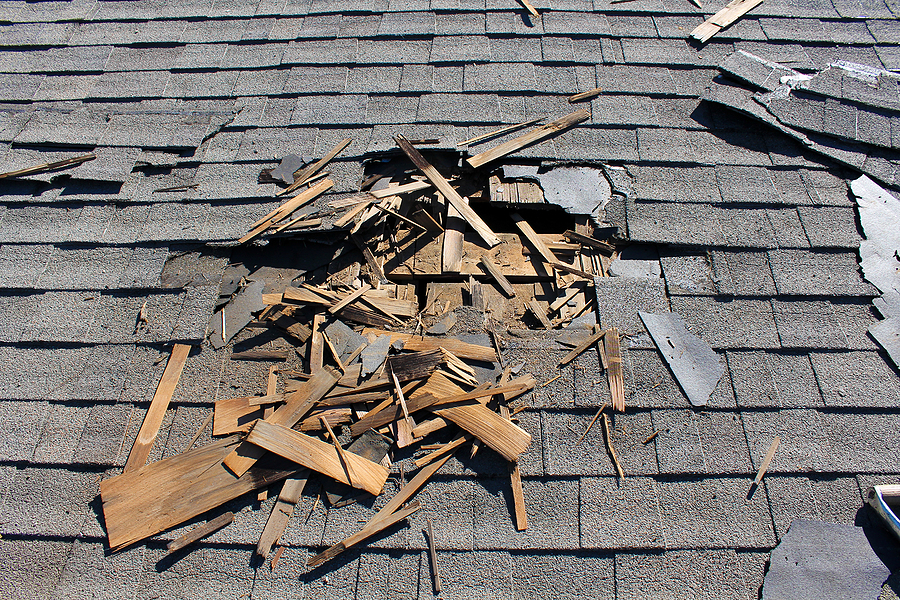
Raccoons are highly intelligent and possess incredibly dexterous front paws. They can easily rip off roof shingles, tear open soffits, and pry off chimney caps to gain entry to your attic. Once inside, they crush insulation and create large latrine areas. Opossums, while generally less destructive to structures, are notorious for raiding gardens, tipping over trash cans, and hosting parasites like fleas and ticks that can spread to your pets.
Birds and Bats: Contamination and Structural Damage
Birds often build nests in gutters, vents, and chimneys. These nests block proper airflow and create significant fire risks. Bats, on the other hand, squeeze into tiny crevices near your roofline. While bats are highly beneficial for insect control outdoors, a colony roosting inside your attic will quickly accumulate large amounts of guano (feces). This waste degrades building materials and poses severe respiratory risks to the people living below.
How Wildlife Damages Your Property
The financial impact of wildlife damage can be staggering. Depending on the species and the duration of the infestation, repair costs can quickly escalate. For instance, severe raccoon damage in an attic can cost anywhere from $300 to $4,000 to fix.
Structural Compromises: From Foundations to Roofs
Animals like groundhogs and skunks burrow deep into the earth. When they dig under porches, sheds, or foundation slabs, they remove vital dirt supports. This can lead to cracked concrete and sinking foundations. Higher up, raccoons and squirrels compromise your roof’s water-tight seal, leading to leaks, wood rot, and expensive roof repairs.
Electrical Hazards and Fire Risks
Exposed wiring is one of the most dangerous consequences of a wildlife infestation. When rodents strip the insulation off electrical wires, the resulting short circuits can easily spark a house fire. Furthermore, birds nesting in dryer vents block the exhaust of hot air and lint, creating another highly combustible situation inside your walls.
Landscape Destruction and Garden Loss
Your home’s exterior is just as vulnerable. Moles can destroy a manicured lawn in a matter of days by tunneling through the root systems of your grass. Deer, rabbits, and opossums treat vegetable gardens and ornamental shrubs as an open buffet, wiping out months of hard landscaping work overnight.
Health Risks and Contamination
Wild animals bring a host of diseases into your living space. Raccoon latrines can contain roundworm eggs, which are highly dangerous if accidentally ingested. Bat guano and bird droppings often harbor the fungus responsible for histoplasmosis, a severe respiratory infection. Additionally, rodents contaminate food supplies and insulation with urine and feces, requiring extensive and careful sanitization to make the space safe again.
Effective Strategies for Wildlife Control and Prevention
Stopping wildlife before they enter your home is always the best approach. A combination of exclusion, habitat modification, and professional intervention offers the highest level of protection.
Exclusion Techniques: Sealing Entry Points
Exclusion involves making your home physically impenetrable to pests. This includes installing heavy-duty stainless steel chimney caps to keep out birds and raccoons. You should also replace flimsy plastic vent covers with sturdy metal grates. Inspect your roofline, foundation, and siding for any gaps larger than a quarter of an inch, and seal them with weather-resistant caulk or hardware cloth.
Habitat Modification: Making Your Property Less Attractive
Animals will not stick around if they cannot find food or shelter. Secure your garbage cans with tight-fitting lids and avoid leaving pet food outside overnight. Trim tree branches at least ten feet away from your roof to prevent squirrels and raccoons from using them as a bridge to your home. Finally, clear away dense brush piles and debris where rodents and snakes like to hide.
Trapping and Removal: Professional Solutions
When animals have already established a presence, trapping is often necessary. However, wildlife regulations vary heavily by location. In Indiana, for example, specific laws govern the trapping, relocation, and release of nuisance wildlife. Handling wild animals is also inherently dangerous, making professional animal removal the safest and most legally compliant option.
The Importance of Professional Wildlife Control Services
Dealing with wild animals is not a typical do-it-yourself project. Relying on trained professionals ensures the problem is resolved safely, humanely, and permanently.
Expertise and Safe Handling
Wildlife control experts possess a deep knowledge of animal behavior. They know exactly where to place traps and which baits are most effective. More importantly, professionals have the proper protective gear and training to handle aggressive, cornered, or potentially rabid animals without risking injury to themselves or your family.
Long-Term Solutions and Prevention Plans
A professional service does more than just remove the current pest. They conduct a thorough inspection of your entire property to identify every vulnerability. Based on their findings, they will develop a customized prevention plan, implementing durable exclusion methods so new animals cannot simply take the place of the ones that were removed.
Animal Damage Cleanup and Repair
Getting the animal out is only half the battle. The mess left behind must be addressed immediately to prevent odors and health hazards. Many professional wildlife services offer comprehensive animal damage repair. They will safely remove contaminated insulation, sanitize the affected area to eliminate disease risks, and repair the structural damage the animals caused.
Frequently Asked Questions
What are the signs of a wildlife infestation?
Common indicators include hearing scratching or scurrying noises in the walls or ceiling, especially at night. You might also notice chewed wires, torn insulation, unexplained foul odors, or visible droppings in your attic, basement, or garage.
Is it safe to try and remove wildlife myself?
No, it is highly discouraged. Wild animals can act aggressively when threatened and may carry dangerous diseases like rabies. Additionally, improper removal methods can lead to legal issues depending on local wildlife protection laws. It is always safest to hire a licensed professional.
How can I prevent wildlife from returning after removal?
The most effective way to prevent returning wildlife is through exclusion. Seal all cracks, gaps, and holes in your home’s exterior. Install sturdy chimney caps and vent covers, trim back overhanging tree branches, and ensure all outdoor garbage is stored in secure, animal-proof containers.
Safeguarding Your Investment from Wildlife Intrusions
Your home is your sanctuary and likely your most significant financial investment. Allowing wildlife to go unchecked can lead to devastating structural damage, severe safety hazards, and costly repairs. By staying vigilant, sealing up entry points, and removing attractants from your yard, you can keep nature where it belongs—outside. When the situation escalates beyond simple prevention, reaching out to local experts ensures your home returns to being a safe, clean, and peaceful environment.
Request an estimate today for professional wildlife control and trapping services in Indianapolis, Indiana. We also provide animal damage cleanup and repair.
Related Post: Animal-Proof 101: Things That Attract Nuisance Wildlife to Your Property