That scratching sound in your attic at 2 a.m. might seem like a minor nuisance. But for many homeowners, that sound is the beginning of a much bigger problem—one that gets significantly worse the longer it goes unaddressed.
Wildlife infestations are more common than most people realize. Raccoons, squirrels, bats, and rodents regularly find their way into attics, crawlspaces, walls, and garages in residential and commercial properties alike. And while it’s tempting to put off dealing with the problem, the costs of waiting—to your health, your home, and your wallet—are far greater than the cost of acting quickly.
The Health Risks Are Serious and Immediate
Disease Transmission from Common Wildlife
Wildlife isn’t just disruptive—it can be genuinely dangerous to your health. Many of the most common intruders carry diseases that are transmissible to humans and pets.
- Hantavirus is carried by rodents and can be transmitted through contact with their urine, droppings, or saliva. Inhaling airborne particles is enough to cause severe respiratory illness.
- Rabies is a potentially fatal disease spread through the bites or scratches of infected raccoons, bats, and skunks.
- Leptospirosis, a bacterial infection spread through the urine of rats and raccoons, can range from mild flu-like symptoms to serious organ damage.
- Histoplasmosis is a respiratory infection caused by a fungus found in bat and bird droppings. It’s particularly dangerous for people with weakened immune systems.
The longer wildlife remains in your home, the more droppings, urine, and contaminated nesting materials accumulate—and the higher your exposure risk becomes.
Allergens, Parasites, and Respiratory Problems
Beyond disease, wildlife infestations create indoor air quality problems that compound over time. Droppings, dander, and urine from rodents, bats, and birds can trigger allergic reactions and worsen asthma.
Wildlife also brings secondary pests into your home. Raccoons and rodents commonly carry fleas, ticks, and mites, which can infest carpets and furniture long after the original animal has been removed.
Property Damage That Compounds Over Time
Structural Damage and Electrical Hazards
Wildlife doesn’t just move in—it destroys. Raccoons tear apart insulation, chew through wood, and rip shingles off roofs to create or widen entry points. Squirrels and rats gnaw on electrical wiring inside walls and attics, stripping insulation from cables and creating conditions ripe for electrical fires.
Research indicates that rodent damage is responsible for an estimated 20–25% of house fires attributed to unknown causes. Left unchecked, a small squirrel problem can become a fire hazard with serious consequences.
Attic and Foundation Damage
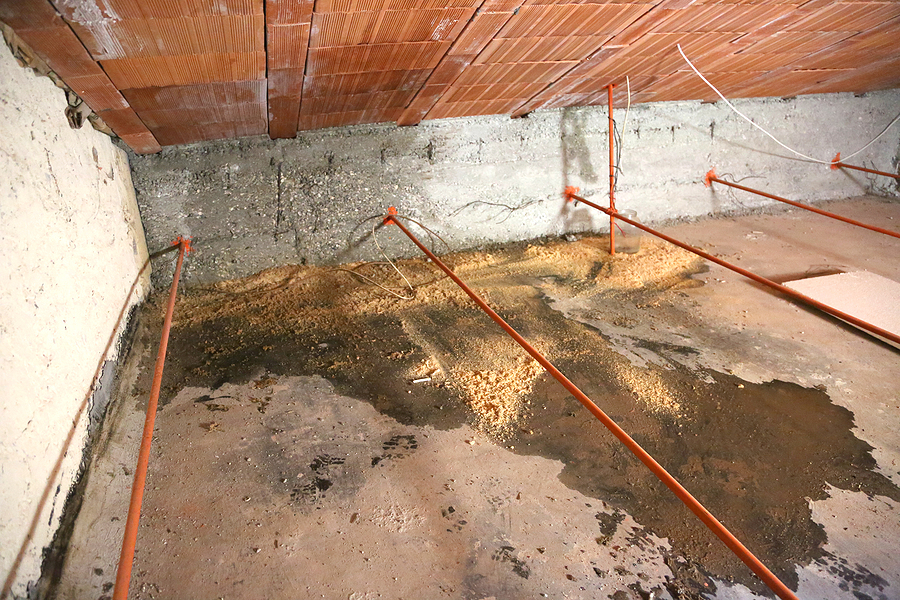
Attics are one of the most vulnerable areas of any home. Animals nesting in attics compress and contaminate insulation, reducing its effectiveness and increasing your energy bills. Burrowing animals like groundhogs and skunks can undermine the structural integrity of foundations, decks, and sheds.
The damage rarely stays contained. What starts as a small entry point becomes a larger opening. What starts as one animal becomes a family—or a colony.
The Financial Impact of Delayed Action
Costs Rise the Longer You Wait
Early wildlife removal is significantly cheaper than dealing with the aftermath of a prolonged infestation. Based on Indianapolis-area pricing, professional animal removal for common species typically ranges between a few hundred and a thousand dollars.
Exclusion Work and Attic Repairs
These figures cover removal only. Add exclusion work (sealing entry points) and cleaning and decontamination, and it’s easy to see how costs escalate. Attic remediation, when required, can run in the high thousands or more.
Why DIY Wildlife Removal Falls Short
Safety Risks of Amateur Removal
Attempting to remove wildlife yourself puts you in direct contact with animals that bite, scratch, and carry disease. Without proper protective gear and training, the risk of injury or illness is real. Even animals that appear calm can become aggressive when cornered.
Incomplete Removal and Re-Entry
DIY efforts often address only part of the problem. Removing one animal while leaving nests, entry points, or additional animals in place leads to recurring infestations. Without proper exclusion—professionally sealing every gap, vent, and access point—wildlife will return.
Legal Considerations
Wildlife removal is regulated by state and federal law. Certain species are protected, and improper trapping, relocation, or removal methods can result in fines and legal penalties. Licensed wildlife removal professionals are trained to comply with these regulations. Most homeowners attempting DIY removal are not.
Signs It’s Time to Call a Professional
Some signs indicate it’s time to stop waiting and call a licensed wildlife removal service:
- Scratching, thumping, or chittering sounds in your attic or walls—especially at night
- Droppings found in your attic, basement, garage, or kitchen
- Damaged insulation, chewed wires, or gnaw marks on wood or structural elements
- Visible entry points or gaps in your roofline, soffits, or vents
- Unusual odors coming from walls or ceiling spaces
- Pets behaving strangely or fixating on specific areas of the home
A licensed wildlife control service doesn’t just remove the animal—they identify how it got in, seal entry points to prevent re-entry, and sanitize contaminated areas. That comprehensive approach is what separates a permanent solution from a temporary fix.
Frequently Asked Questions
How quickly do I need to act if I suspect a wildlife infestation?
As soon as possible. The longer wildlife remains in your home, the more damage accumulates and the more expensive removal and repairs become. A problem caught early is far easier and cheaper to resolve.
Will the animals leave on their own?
Unlikely. Once wildlife finds a warm, sheltered space with access to food or water, it tends to stay—and often breeds. Waiting for animals to leave on their own is rarely effective and typically makes the problem worse.
Does homeowners insurance cover wildlife removal or damage?
Coverage varies by policy and species. Standard homeowners insurance generally excludes damage from rodents, birds, and animal infestations. Some structural damage from larger animals like raccoons may be partially covered. Review your policy and consult your provider to understand your specific coverage.
Is professional wildlife removal worth the cost?
Yes. Professional removal addresses the root cause of the infestation, prevents re-entry, and reduces the risk of recurring problems. The cost of professional removal is almost always less than the cost of repairing damage caused by a prolonged infestation.
Act Early, Protect More
Wildlife infestations don’t get better on their own—they get worse. Every week an animal remains in your home is another week of accumulating damage, health risks, and rising repair costs.
If you’re hearing noises in your attic, finding droppings in your garage, or noticing signs of chewing and nesting, don’t put it off. Trapper Joe’s provides professional wildlife removal services in Indianapolis and the surrounding towns. Contact us today to schedule an inspection and get ahead of the problem before it gets ahead of you.
Related Posts:
Animal-Proof 101: Things That Attract Nuisance Wildlife to Your Property
Top 5 Wildlife Pests in Indianapolis and How to Manage Them
Why Your Home Needs Professional Wildlife Control Services