Few things are more frustrating than stepping outside to find your tomato patch stripped overnight or a fresh hole collapsing under your foot near the garden shed. Woodchucks—also called groundhogs or whistle pigs—are capable of surprising destruction for an animal that weighs just 5 to 10 pounds. Their appetite for vegetables and their talent for digging can undo weeks of careful landscaping in a matter of days.
The good news is that woodchuck damage is preventable. With the right combination of fencing, habitat changes, and deterrents, you can protect your garden without waiting for the problem to escalate. This guide walks through why woodchucks target gardens, the most effective prevention methods, and when it’s time to call in professional help.
Why Woodchucks Damage Gardens
Woodchucks aren’t just nibbling at the edges of your garden—they can consume enough plant material to wipe out an entire crop. According to Penn State Extension, homeowners may lose their whole tomato patch to a single determined woodchuck.
These animals are strict herbivores with a strong preference for beans, peas, carrot tops, alfalfa, clover, and grasses, though they’ll happily move on to squash and tomatoes once their favorites are gone.
Burrowing Causes Structural Damage
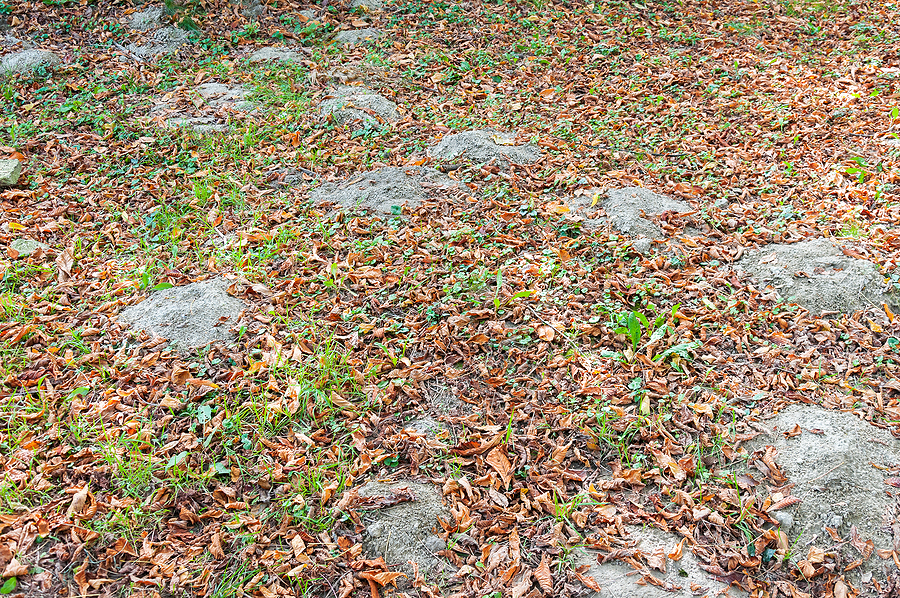
Beyond what they eat, woodchucks dig extensive burrow systems that can destabilize soil near foundations, retaining walls, and tree roots. A main burrow entrance typically measures 10 to 12 inches across, with a mound of excavated dirt nearby, plus one to three hidden secondary entrances.
These burrows are often built along fence rows, stone walls, roadsides, or close to building foundations, and the same burrow system can be reused for several seasons—sometimes by other wildlife like rabbits or weasels after the original resident moves on.
Peak Activity Seasons
Woodchucks feed mainly in the early morning and evening hours. They emerge from hibernation in late February or March, breed shortly after, and raise a litter of two to six young that wean by early summer. This means garden damage typically ramps up in spring and continues through summer as both adults and newly independent young forage for food.
Physical Barriers and Fencing
Fencing is widely considered the most reliable way to keep woodchucks out of a garden. Extension experts describe exclusion as the most effective method for preventing vegetation damage, and for good reason: it addresses the problem at the source rather than trying to change the animal’s behavior.
Choosing the Right Materials
Skip chicken wire if you want a long-term solution. According to UNH Extension, standard chicken wire rusts quickly and woodchucks can push through it by the second growing season. Instead, use heavy woven wire mesh or hardware cloth with openings smaller than 2×2 inches, since young woodchucks can squeeze through larger gaps.
Installation Tips That Actually Work
Proper installation makes the difference between a fence that works and one that doesn’t:
- Bury it deep. Dig your fence at least 12 inches into the ground, bending the bottom 6 inches outward into an L-shape to stop woodchucks from digging underneath.
- Build it tall. Fences should stand at least 3 feet above ground, since woodchucks are capable climbers.
- Angle the top. Bend the top 12 to 15 inches of fencing outward at roughly a 45-degree angle. This outward lean prevents climbing animals from getting a foothold.
- Watch the gates. Gates are often the weakest point in any fence line. Dig a board in flush with the gate’s bottom edge, or extend fencing material underneath it to close the gap.
If you want extra protection, adding an electric wire 4 to 5 inches off the ground, positioned the same distance outside the main fence, can reinforce your barrier. Just keep vegetation trimmed away from electric lines so they stay effective.
Habitat Modification Strategies
Fencing works best when paired with changes that make your yard less appealing to woodchucks in the first place.
Remove Cover and Hiding Spots
Woodchucks favor areas with brush piles, dense vegetation, and overgrown spaces where they feel safe moving between their burrow and your garden. Clearing brush piles near garden beds and trimming low-hanging tree branches removes convenient cover and makes your landscaping less inviting.
Keep Grass and Vegetation Trimmed
Regularly mowing your lawn and eliminating tall grass or weedy patches reduces the hiding spots woodchucks rely on for safe travel. Since these animals typically range only 50 to 150 feet from their den, reducing cover near your garden can meaningfully reduce how comfortable they feel venturing into it.
Natural Repellents and Deterrents
It’s worth setting expectations here: natural repellents are not a standalone fix for woodchuck problems, and the evidence behind some popular options is thin.
Short-Term Startle Tactics
Motion-activated sprinklers and similar startle devices can offer temporary relief in some situations, but frightening devices like reflectors, pie plates, and ultrasonic repellents generally lose effectiveness once a woodchuck gets used to them. If you use scare tactics, plan to move or vary them regularly, and treat them as a supplement to fencing rather than a replacement for it.
Live Trapping and Relocation
When fencing and habitat changes aren’t enough, live trapping becomes a more direct option, though it comes with important caveats.
How Live Trapping Works
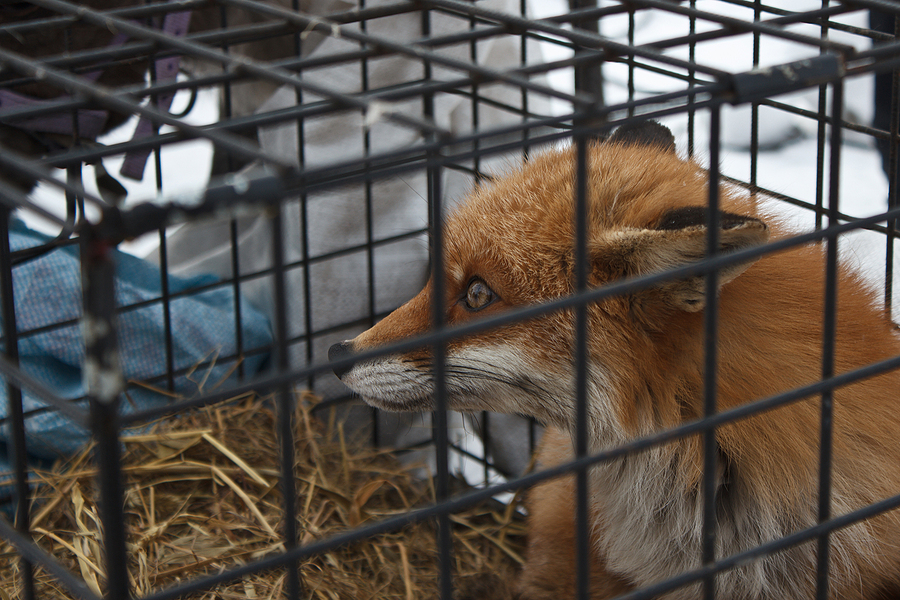
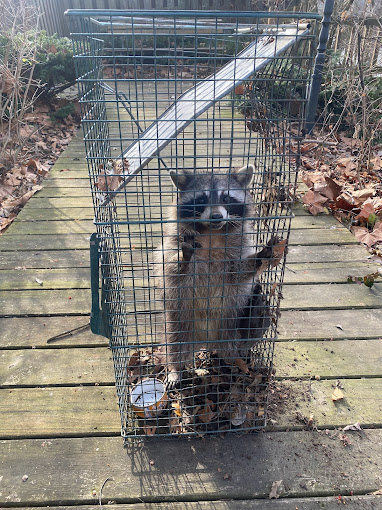
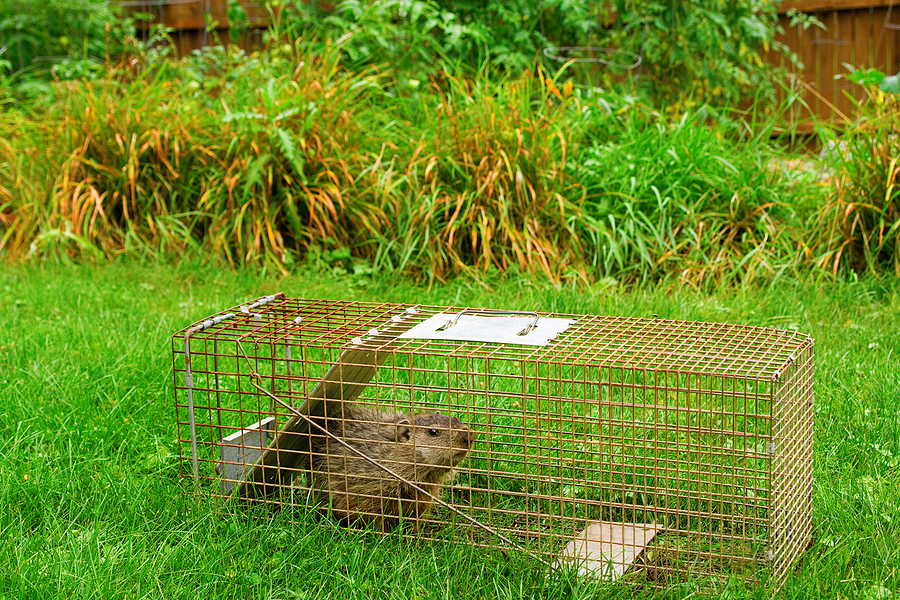
Live traps should measure at least 10x10x24 inches and be placed at the burrow entrance, along travel paths, or near the site of damage. UNH Extension recommends trapping directly at the burrow entrance using a barrier of boards, which often works without bait at all. If you do bait a trap, apple slices, carrots with the tops on, cantaloupe, lettuce, cabbage, or fresh peas tend to work well—just replace bait daily and check traps twice a day.
Check Local Regulations First
In Indiana, groundhogs can be captured or killed year-round without a DNR permit or hunting license, with no bag limit, according to the Indiana Department of Natural Resources. That said, local ordinances may still apply, particularly around firearm use, so it’s worth checking with your municipality before taking action.
Relocation itself deserves caution. Extension sources note that translocating woodchucks can be highly stressful for the animal and often ends in death, since suitable release habitat is hard to find and the animal must establish a new burrow in unfamiliar territory. Some states restrict relocation entirely due to rabies concerns. Given these risks, many homeowners find that exclusion and professional woodchuck removal offer a more humane and effective path forward than DIY relocation.
Professional Woodchuck Control Solutions
For persistent or large-scale woodchuck problems, professional trapping services offer expertise that’s hard to replicate on your own.
Why Expert Assessment Matters
A licensed animal trapper can identify active burrow entrances, assess the extent of damage, and recommend an exclusion plan tailored to your property. This matters because woodchucks often have multiple hidden entrances that are easy to miss, and an incomplete trapping effort can leave the problem unresolved.
Long-Term Prevention
Professional services typically combine removal with exclusion work, closing off burrow access points and reinforcing vulnerable areas of your property. This approach addresses both the immediate woodchuck and the conditions that attracted it, reducing the chance of a repeat visitor next season.
If you’re in the Indianapolis, Indiana area and dealing with woodchuck damage that fencing and deterrents haven’t solved, Trapper Joe’s offers professional wildlife trapping and exclusion services. Schedule an estimate today to get expert eyes on your property.
FAQ
How much damage can one woodchuck cause?
A single woodchuck can strip an entire vegetable patch, with tomatoes being especially vulnerable, according to Penn State Extension. Beyond plant damage, their burrowing can weaken foundations, dikes, and create holes that pose hazards to equipment and livestock.
What time of year are woodchucks most active?
Woodchucks are most active in spring and summer, after emerging from hibernation in late February or March. They feed primarily during early morning and evening hours, with garden damage typically peaking as breeding season gives way to foraging for young through early summer.
Are woodchucks dangerous to pets?
Woodchucks generally avoid confrontation and aren’t typically aggressive toward pets. However, any wild animal can pose a rabies risk if handled directly, so it’s best to avoid letting pets corner or engage with a woodchuck, and to use caution when handling any trapped animal yourself.
How long do exclusion methods take to work?
Properly installed fencing can provide protection almost immediately once it’s in the ground, since it physically blocks access rather than relying on behavior change. Habitat modification and deterrents tend to take longer to show results, which is why pairing exclusion with these other methods often produces the fastest, most reliable outcome.
Protecting Your Garden for the Long Run
No single method solves a woodchuck problem on its own. Combining properly installed fencing, habitat changes, and realistic expectations around repellents gives your garden the best chance of staying intact through the growing season. Acting early—before a woodchuck settles in and establishes a burrow—makes the whole process easier and less costly in the long run.
If woodchuck damage has already taken hold of your property, don’t wait for it to get worse. Trapper Joe’s in Indianapolis, Indiana provides professional trapping and exclusion services to help homeowners reclaim their gardens. Schedule an estimate today and take the first step toward a woodchuck-free yard.
Related Posts:
Groundhog Under Shed? How to Humanely Remove and Keep Them Out
Wildlife-Proofing Your Home: Tips for Every Season