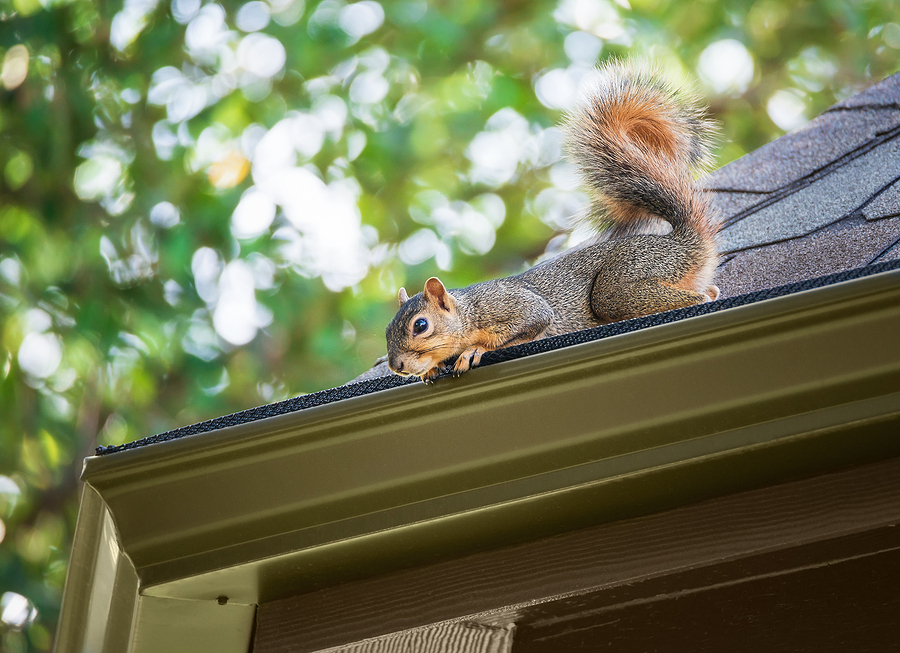
Watching colorful birds visit your backyard brings a sense of peace to an ordinary afternoon. You carefully select the right seeds, set up your feeding stations, and wait for nature to arrive. But that tranquility quickly vanishes when a squirrel crashes the party, aggressively scattering seeds and scaring away your feathered friends.
Dealing with these furry acrobats is a common struggle for many nature lovers. You invest time and money into creating a welcoming habitat, only to watch it raided daily by relentless mammals with bottomless appetites.
Fortunately, there are humane and highly effective strategies to protect your feeding stations. By implementing the right combination of feeder designs, placement tactics, and seed choices, you can finally reclaim your yard. Read on to learn proven techniques to keep your bird feeders strictly for the birds.
Why Squirrels Are a Problem for Bird Feeders
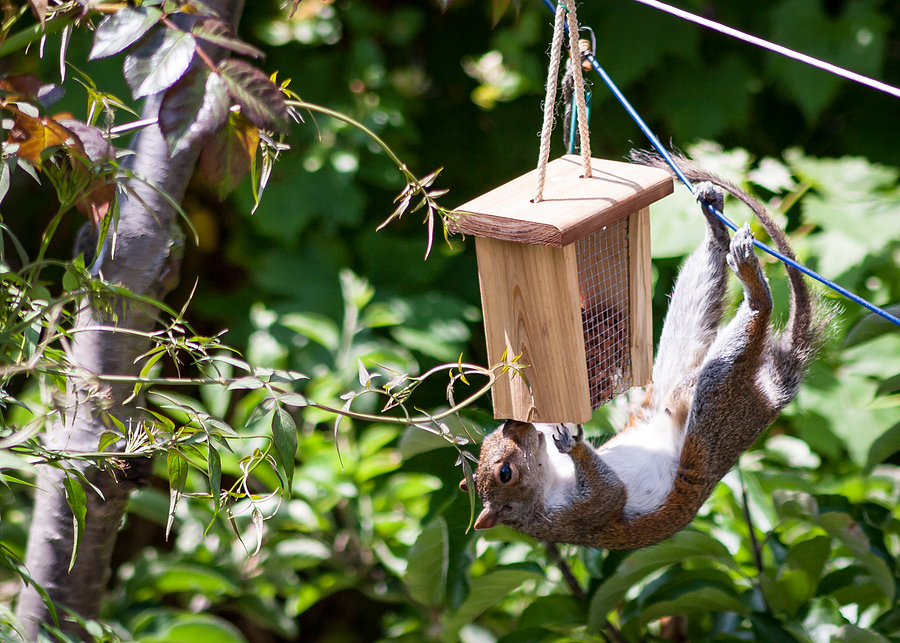
Squirrels are highly adaptable, intelligent, and incredibly persistent. When they discover a free meal, they will return daily, bringing along their friends and family.
The Cost of Unwanted Visitors
Feeding wildlife can be an expensive hobby, especially when a single squirrel can devour a pound of premium bird seed in a matter of days. Beyond just eating the food, they often cause significant property damage. Desperate squirrels will easily chew through plastic, enlarge feeding ports, and gnaw on wooden structures until your expensive feeder is completely destroyed.
Health Risks for Birds
A squirrel raid causes more harm than just an empty feeder. Conditions in and around feeding stations can quickly become unsanitary when mammals take over. Shared feeders can spread bacterial infections and diseases ranging from salmonellosis and trichomoniasis to avian pox. Because squirrels frequently defecate near their food sources, they contaminate the very seeds your local birds rely on, putting the entire flock at risk.
Squirrel-Proof Bird Feeder Designs
Investing in the right hardware is often the easiest way to solve your pest problem. Modern engineering offers several brilliant designs that cater specifically to birds while shutting out mammals.
Types of Squirrel-Proof Feeders
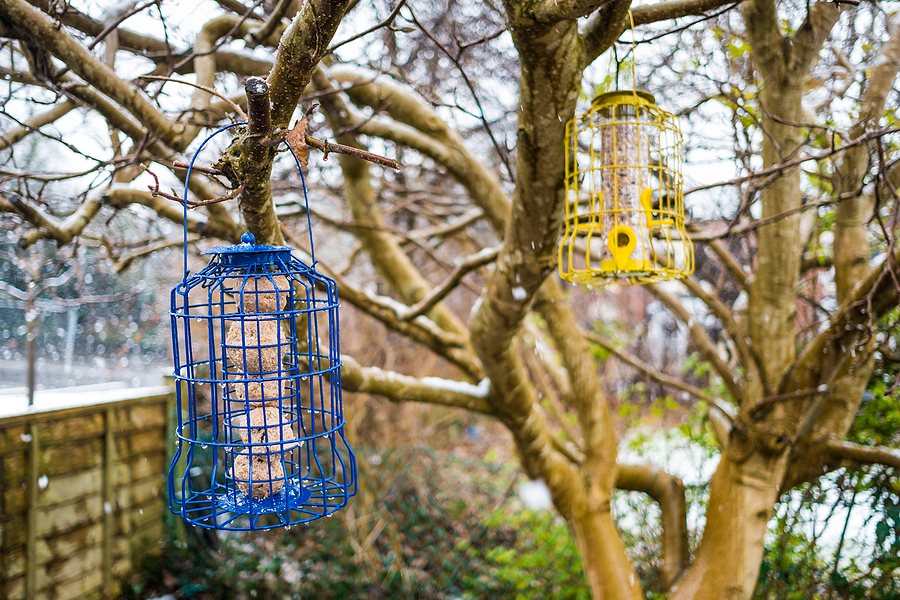
- Cage Feeders: These feature a sturdy wire mesh surrounding the central seed tube. The holes are perfectly sized for small songbirds like chickadees and finches to slip through, but entirely too narrow for a squirrel to reach the prize.
- Weight-Activated Feeders: These mechanical marvels use the pest’s own body weight against it. When a heavy squirrel lands on the perch, a spring mechanism drops a metal shroud over the feeding ports. Lighter birds, however, can land and feed without triggering the trap.
- Dome Baffles: These large, slippery, bell-shaped domes sit securely above the feeder. When a squirrel attempts to climb down from a tree branch, it slides right off the slick surface and drops harmlessly to the ground.
DIY Squirrel-Proofing Solutions
You do not necessarily have to spend a fortune on high-tech gadgets. Many backyard enthusiasts successfully use a 6-inch PVC pipe slipped over the wooden post or metal pole holding their feeder. The pipe is too wide for the squirrel to grasp and too slick to climb.
Another popular physical barrier involves attaching a metal Slinky to the top of the feeder pole. When the squirrel grabs the coil to climb up, the Slinky stretches downwards, dropping the frustrated critter back to the grass.
Strategic Placement: Location, Location, Location
Even the most advanced feeder will fail if you place it in the wrong spot. Squirrels are Olympic-level athletes when it comes to leaping, so positioning is critical.
The 10-Foot Rule
Many gray squirrels are capable of jumping up to 8 feet high from a stationary, sitting position. To be safe, experts universally recommend the 10-foot rule. Place your feeders at least 10 feet away from any structure or plant that a squirrel could possibly leap from.
Avoiding Jump-Off Points
Carefully survey your yard before hanging a new feeder. Keep your feeding stations far away from tree branches, low-hanging limbs, fences, rooftops, and deck rails. If a squirrel can reach it from the side or above, they absolutely will.
Food Choices that Discourage Squirrels
Sometimes the easiest solution is changing the menu. You can fill your feeders with ingredients that birds love but mammals actively despise.
Safflower Seeds: A Natural Deterrent
Safflower seeds are highly attractive to cardinals, chickadees, and doves. Squirrels, on the other hand, find them bitter and unappetizing. Swapping out your sweet sunflower seeds for pure safflower is a simple dietary trick to encourage your furry pests to dine elsewhere.
Nyjer Seed: Small and Unappealing to Squirrels
Nyjer (also known as thistle) is a tiny, black seed that finches go crazy for. Squirrels generally ignore Nyjer seed completely because the tiny kernels require too much effort to extract for too little caloric reward.
Spicy Seeds: A Humane Solution
Birds do not have the same taste receptors for capsaicin—the chemical that gives peppers their heat—that mammals do. You can purchase commercial bird seed blends coated in powdered habanero or cayenne pepper. The birds will happily eat it without feeling a thing, but a squirrel will experience a spicy shock that quickly teaches them to stay away.
Other Deterrents and Tricks
If placement and food changes are not enough, you can employ a few extra psychological and physical barriers.
Baffles: The Unclimbable Barrier
Pole baffles are metal or plastic cones mounted securely below the feeder. When a squirrel climbs up the pole, it hits the inside of the cone and cannot navigate around it. Ensure the baffle is mounted at least five feet off the ground so the squirrel cannot simply jump right over it.
Squirrel Repellents: Fact vs. Fiction
Garden centers frequently sell ultrasonic devices or essential oil sprays, like peppermint oil, designed to repel pests. While strong scents can occasionally deter rodents in enclosed spaces, their effectiveness outdoors is highly debatable. Wind and rain quickly wash away topical repellents, making physical barriers a much more reliable long-term investment.
Decoy Feeders: Distraction Techniques
If you cannot entirely defeat them, try a compromise. Set up a decoy feeder at the very edge of your property, far away from your bird stations. Stock it with inexpensive cracked corn or raw peanuts. Often, the easiest way to keep squirrels away from your premium bird seed is to give them an easy, preferred meal somewhere else.
Maintaining a Squirrel-Free Feeding Area
Keeping a tidy yard reduces the overall attractiveness of your property to foraging mammals.
- Regular Cleaning and Maintenance: Rake up discarded shells and dropped seeds weekly. A thick pile of rotting seed on the ground acts as a dinner bell for neighborhood rodents and increases the risk of spreading avian diseases.
- Limiting Spillage: Attach wide seed catchers or circular trays to the bottom of your feeders. These catch the messy debris that sloppy birds toss aside, preventing the food from ever hitting the lawn.
Frequently Asked Questions
Do squirrels remember where my bird feeder is?
Yes. Squirrels possess excellent spatial memory and will map out reliable food sources. Once they find your feeder, they will routinely check back, even if you take it down for a few weeks.
Are all bird seeds attractive to squirrels?
Most generic seed blends loaded with sunflower seeds and millet are highly attractive to them. They tend to avoid bitter safflower seeds, tiny Nyjer seeds, and blends treated with hot pepper extract.
Can squirrels harm birds?
While they rarely attack adult birds directly, they aggressively outcompete them for resources. Furthermore, their presence spreads harmful bacteria that can cause severe illnesses in the local bird population.
How often should I clean my bird feeder?
You should clean your feeders every two weeks with a mild bleach solution. During periods of heavy rain or high humidity, increase your cleaning schedule to prevent mold and bacterial growth.
Is it possible to completely eliminate squirrels from my yard?
It is virtually impossible to permanently banish squirrels from an outdoor environment. Your goal should simply be to manage their access to your specific feeding stations through clever barriers and strategic placement.
Enjoying Your Birds, Squirrel-Free
Creating a peaceful backyard sanctuary requires a bit of strategy, but the reward is well worth the effort. By utilizing clever baffles, adopting the 10-foot rule, and offering spicy or bitter seeds, you can finally outsmart the neighborhood acrobats. Your feathered friends will thank you for providing a safe, clean, and dedicated space to dine.
Do you have too many nuisance squirrels disturbing your property? For professional squirrel removal and control in Indianapolis and surrounding townships, request an estimate today.
Related Post: Stop the Scratching: How to Prevent Squirrels from Nesting in Your Roof