Groundhog Under Shed? How to Humanely Remove and Keep Them Out

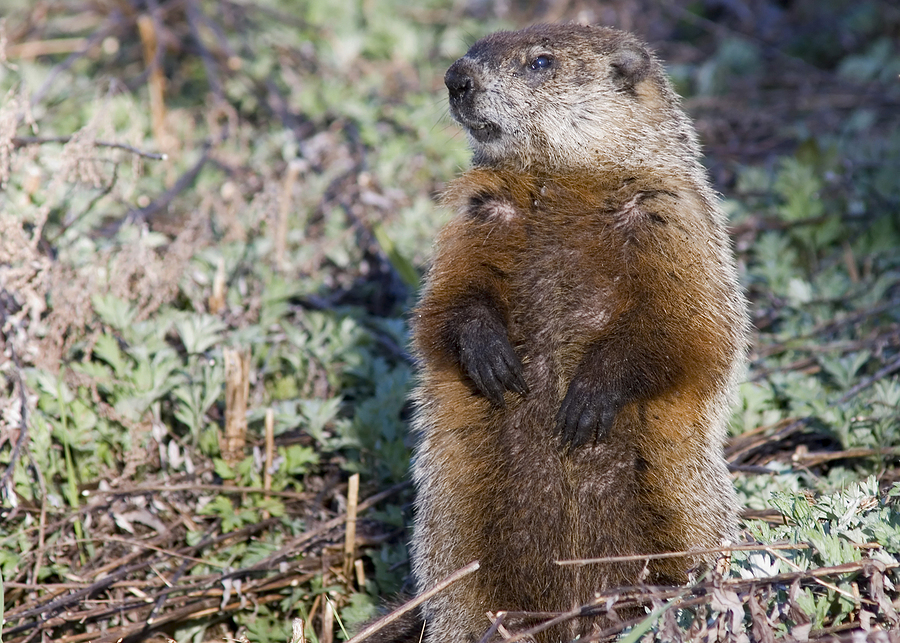
You walk out to your backyard to grab the lawnmower, only to discover a massive pile of fresh dirt next to your shed. Upon closer inspection, you see a hole large enough to roll a basketball into. The culprit? Likely a groundhog (also known as a woodchuck).

While these furry rodents might look harmless waddling across a field, a groundhog taking up residence under your shed is a serious structural threat. Groundhogs are nature’s excavators, capable of moving over 700 pounds of dirt to create a single burrow. When that digging happens directly beneath a foundation, it can lead to cracking, sinking, and costly repairs.

If you suspect you have an uninvited tenant, don’t panic. With the right approach, you can manage the situation humanely and effectively. This guide covers how to identify the problem, encourage the animal to leave, and prevent them from ever coming back.

TL;DR:

  • The Risk: Groundhogs can compromise the structural integrity of your shed foundation through extensive burrowing.
  • Identification: Look for large holes (10-12 inches wide) with mounds of dirt, usually near the structure’s edge.
  • Removal: Humane harassment and exclusion are often better than trapping.
  • Prevention: Installing an L-shaped barrier of hardware cloth is the gold standard for keeping them out.

Key Takeaways:

  • Understanding groundhog behavior, such as their hibernation cycles, is crucial for effective management.
  • Humane methods are not only ethical but often more effective for long-term control.
  • Professional services ensure safe handling and compliance with local wildlife laws, particularly in Indiana.

Table of Contents:

  1. Introduction to Groundhog Problems
  2. Identifying Groundhog Activity
  3. Humane Removal Strategies
  4. Professional Trapping and Relocation
  5. Preventing Future Groundhog Issues
  6. FAQ Section
  7. Quick Recap
  8. Conclusion
Call 317-832-5840 for Licensed & Insured Groundhog Trapping in Indianapolis Indiana

Introduction to Groundhog Problems

For many homeowners, the shed is a critical storage space for tools, equipment, and seasonal items. However, for a groundhog (a.k.a. woodchuck), the space beneath a shed floor represents the perfect roof for a den. It offers protection from predators like coyotes and hawks, stays dry during rainstorms, and is often close to a food source—your garden.

The problem isn’t just the animal’s presence; it’s their architecture. A groundhog burrow is a complex system of tunnels and chambers that can extend up to 45 feet. When these tunnels run directly under a concrete slab or wooden floor, they remove the soil supporting the structure. Over time, this causes the shed to lean, the floor to warp, or the foundation to crack entirely. Addressing the issue early is the only way to minimize damage.

Identifying Groundhog Activity

Before you start planning an eviction, you need to confirm that a groundhog is indeed the problem. Skunks, raccoons, and opossums also like to live under structures, but the signs of a groundhog are distinct.

What Are the Signs of Groundhogs Under My Shed?

The most obvious sign is the burrow entrance. Groundhog holes are typically 10 to 12 inches in diameter. Unlike other animals that might leave a clean hole, groundhogs leave a large mound of excavated soil right next to the main entrance—this is their “front door.”

You should also look for:

  • Secondary exits: Groundhogs always dig escape routes. These holes are usually well-hidden in nearby brush and do not have mounds of dirt next to them.
  • Gnaw marks: Groundhogs are rodents, meaning their teeth never stop growing. You may see fresh chewing on the lower wood of your shed or door frames.
  • Flies: Groundhogs are generally clean animals that create specific “toilet chambers” underground. However, if the den is shallow or active, you may notice an increase in flies around the shed.

Why Are Groundhogs Attracted to Sheds?

In the wild, groundhogs prefer to dig burrows in areas with good drainage and overhead protection. A raised shed with a dirt floor or a concrete slab with a gap underneath mimics the ideal natural habitat—a sturdy rock overhang or a dense root system. It provides immediate security from aerial predators and creates a stable temperature for raising young or hibernating during the winter.

Humane Groundhog Removal Strategies

Once you’ve confirmed a groundhog is the culprit, the goal is to convince them that your shed is no longer a desirable place to live.

How Can I Encourage Groundhogs to Leave on Their Own?

“Hazing” or “harassment” techniques rely on the groundhog’s natural instincts. They want a quiet, safe, dark place. By making the environment loud, bright, and smelly, you can often force them to relocate voluntarily.

  • Scent Deterrents: Groundhogs have sensitive noses. Soaking rags in ammonia or using commercial predator urine (like coyote urine) placed near the burrow entrance can signal danger.
  • Motion and Sound: Place a battery-operated radio near the entrance and leave it on a talk-radio station. The sound of human voices is a strong deterrent. Motion-activated sprinklers can also startle them when they emerge to forage.
  • Used Kitty Litter: Pouring used kitty litter near the entrance introduces the scent of a potential predator, making the groundhog feel unsafe.

Note: Never seal a burrow until you are 100% certain the animal is out. Sealing a groundhog inside is inhumane and can lead to a rotting carcass under your shed.

Are There Any Humane Trapping Methods?

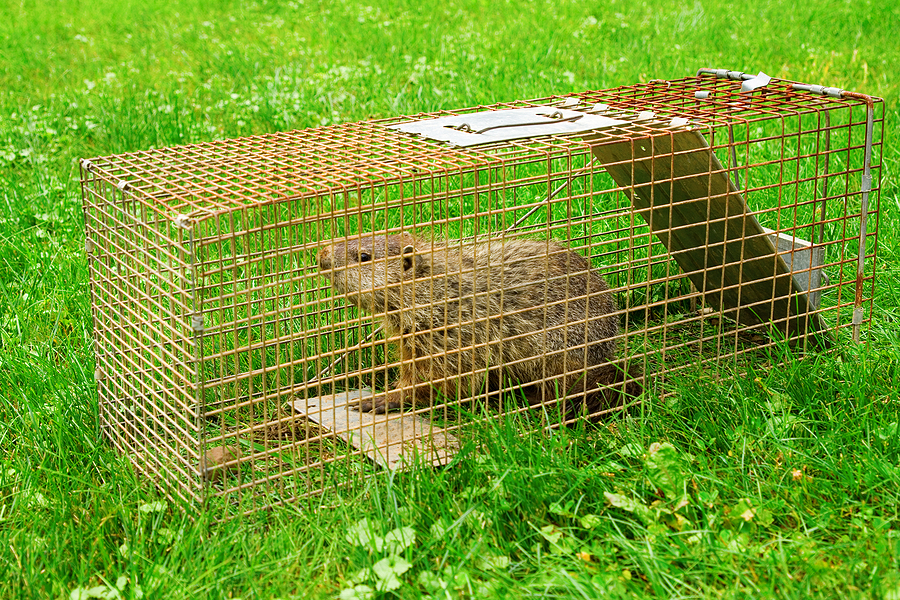
If deterrents fail, live trapping is the next step. Live groundhog trapping should only be performed by licensed wildlife control operators. Indiana has strict regulations regarding the handling, trapping, and relocation of wildlife, including groundhogs. These laws are designed to ensure both the safety of humans and the humane treatment of animals.

Professional Groundhog Trapping and Relocation

While DIY methods can work, groundhogs are tenacious. They are strong diggers and can become aggressive if cornered. This is where professional intervention is often the safest route.

Call 317-832-5840 for Groundhog Removal in Indianapolis

Why Should I Consider Professional Help?

There are legal and safety complexities regarding wildlife removal. For example, in Indiana, you do not need a permit to trap a nuisance groundhog on your own property. However, legal relocation is strict: you must have written permission from the landowner where you release the animal, and the release site must be within the same county where it was captured. Furthermore, possession of the animal is usually limited to 24 hours.

Professionals understand these regulations perfectly. They also minimize the risk of disease transmission (such as roundworm or rabies) and injury from bites.

What Does Professional Groundhog Removal Involve?

A professional service offers a comprehensive solution:

  1. Inspection: Identifying all burrow entrances, including the hidden escape holes.
  2. Trapping: Using professional-grade traps and specific baits to capture the animal quickly.
  3. Removal: Safe transport and ethical release or handling according to state laws.
  4. Exclusion: The most important step—installing barriers to ensure no other animal moves into the vacant apartment under your shed.

Preventing Future Groundhog Issues

Removing the groundhog is only half the battle. If you don’t modify the habitat, another one will simply move in next season.

How Can I Make My Property Less Attractive to Groundhogs?

Start by tidying up the landscape. Groundhogs are prey animals; they hate crossing open spaces where they are visible.

  • Trim back tall grass and weeds around the shed.
  • Remove brush piles or woodpiles near the structure.
  • Pick up fallen fruit from trees and harvest your garden vegetables as soon as they are ripe.

What Physical Barriers Can I Use?

The only foolproof way to keep groundhogs out is an exclusion fence, specifically the “L-shaped footer.”

  1. Dig a trench around the base of your shed, roughly 12 inches deep and 12 inches wide.
  2. Purchase 1/2-inch hardware cloth (wire mesh).
  3. Fasten the top of the mesh to the bottom of your shed.
  4. Run the mesh down into the trench and bend it 90 degrees outward (away from the shed), creating an “L” shape.
  5. Refill the trench with dirt.

When a groundhog tries to dig back under the shed, they will dig down, hit the wire mesh, and be unable to get through.

FAQ Section

Is It Safe to Handle Groundhogs Myself?

Generally, no. While groundhogs are not typically aggressive, they will defend themselves fiercely if trapped or cornered. They have large incisors that can inflict serious injuries. Additionally, while rare, they can carry rabies, and their parasites (ticks and fleas) can transmit diseases to humans and pets. Always wear thick leather gloves if you must handle a trap, and never touch the animal directly.

When Is the Best Time to Remove Groundhogs?

The ideal time for exclusion or removal is late summer or early fall. By this time, the babies born in the spring are old enough to survive on their own, so you don’t risk orphaning them. It is also before the ground freezes and before they enter deep hibernation for the winter (usually starting in October or November in Indiana).

What Should I Do with a Trapped Groundhog?

If you trap a groundhog yourself, you cannot simply release it at a nearby park or roadside. In many jurisdictions, including Indiana, releasing animals on public land is illegal without a permit. You must find private land, get permission, and transport the animal safely. If you are unsure, contact a local wildlife rehabilitator or a pest control professional.

Quick Recap:

  • Inspect: Look for large mounds of dirt and holes 10-12 inches wide.
  • Harass: Use scent and sound to encourage them to move out voluntarily.
  • Trap: If necessary, hire professionals to set live traps.
  • Exclude: Install an L-shaped wire mesh barrier buried underground to prevent re-entry.
  • Consult: When in doubt, call a professional to handle removal safely and legally.

Conclusion

A groundhog under your shed is more than a nuisance; it’s a slow-motion demolition crew working on your foundation. While their digging is impressive, it has no place under your property. By identifying the signs early and using humane removal strategies, you can reclaim your yard without causing unnecessary harm to the animal.

Remember that removal is temporary, but prevention is permanent. Taking the time to install proper exclusion barriers will ensure your shed remains standing—and groundhog-free—for years to come.

If you’re in Indianapolis or surrounding counties and need humane groundhog trapping and removal, contact us today for a consultation. Let us handle the dirty work so you can get back to enjoying your backyard.

Call Now to Book a Quote

Related Post: Animal-Proof 101: Things That Attract Nuisance Wildlife to Your Property

Say Goodbye to Unwanted Guests: Effective Opossum Removal Strategies

Discovering that a wild animal has made itself at home under your deck or in your shed can be a stressful experience for any homeowner. While we often admire nature from a distance, the dynamic changes when wildlife moves into our personal space. If you are hearing strange noises at night or noticing overturned trash cans, you might be dealing with an opossum.

Opossums are generally misunderstood creatures. They aren’t aggressive monsters, but they are opportunistic survivors looking for food and shelter. Dealing with them requires a balance of firmness and compassion. Understanding their behavior is the first step toward reclaiming your yard without causing unnecessary harm to the animal. This guide will walk you through everything you need to know about humane opossum removal and prevention.

Call 317-832-5840 for Licensed & Insured Opossum Removal Service in Indianapolis & Surrounding Towns
Call 317-832-5840 for Licensed & Insured Opossum Removal in Indianapolis & Surrounding Towns

Understanding Your Nocturnal Visitor

Before you can effectively manage an opossum issue, it helps to understand what makes them tick. The Virginia opossum is North America’s only marsupial, meaning females raise their young in a pouch, much like a kangaroo.

These animals are primarily nocturnal, which explains why you might hear them scavenging while you are trying to sleep. They are omnivores with a diverse diet that includes insects, fruits, grains, and unfortunately for homeowners, pet food and garbage.

Contrary to popular belief, opossums are quite beneficial to the ecosystem. They are nature’s cleanup crew, consuming carrion (dead animals) and thousands of ticks every season, which helps control the spread of Lyme disease. Furthermore, they are surprisingly resistant to rabies. According to the Centers for Disease Control and Prevention (CDC), reports of rabies in opossums are scarce, largely because their body temperature is lower than that of other mammals, making it difficult for the virus to survive.

However, despite these benefits, they can become a nuisance when they decide to nest under your porch or raid your garden. They may carry other parasites like fleas, and their droppings can create unsanitary conditions around your home.

Identifying an Opossum Problem

Because they are active at night, you might not see an opossum right away. Instead, you will likely see—or smell—the evidence of their presence.

Here are common signs that an opossum has moved in:

  • Disappearing Pet Food: If you leave cat or dog food outside and the bowl is empty by morning, an opossum is a likely culprit.
  • Rumaging Sounds: You may hear rustling in your garbage cans, scratching under floorboards, or movement in your attic or crawlspace.
  • Damage to Structures: Look for torn insulation, chewed wood, or holes near the foundation of your home or shed.
  • Droppings: Opossum scat is fairly large, similar to a dog’s, and often curled.
  • Distinctive Smells: When threatened or marking territory, opossums can emit a foul odor that is difficult to ignore.

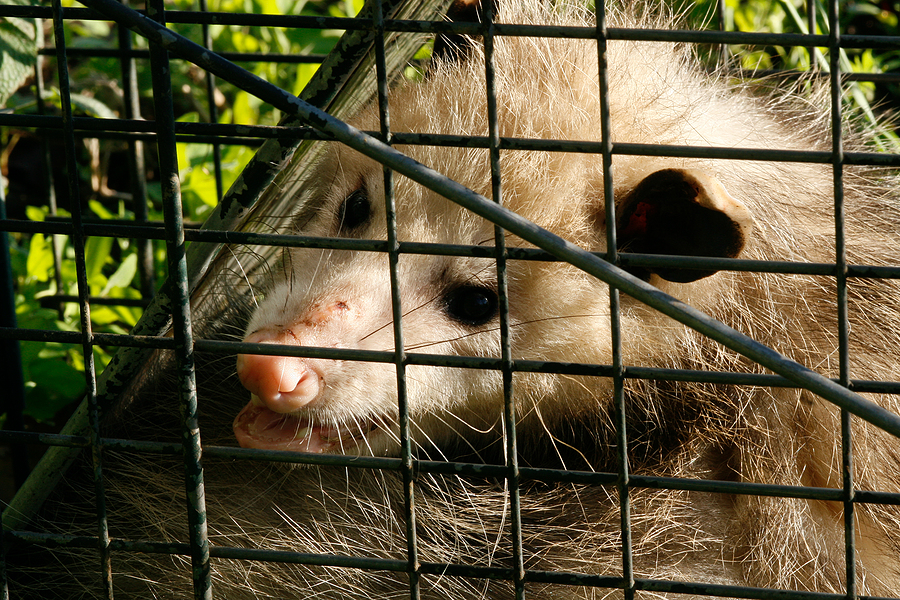
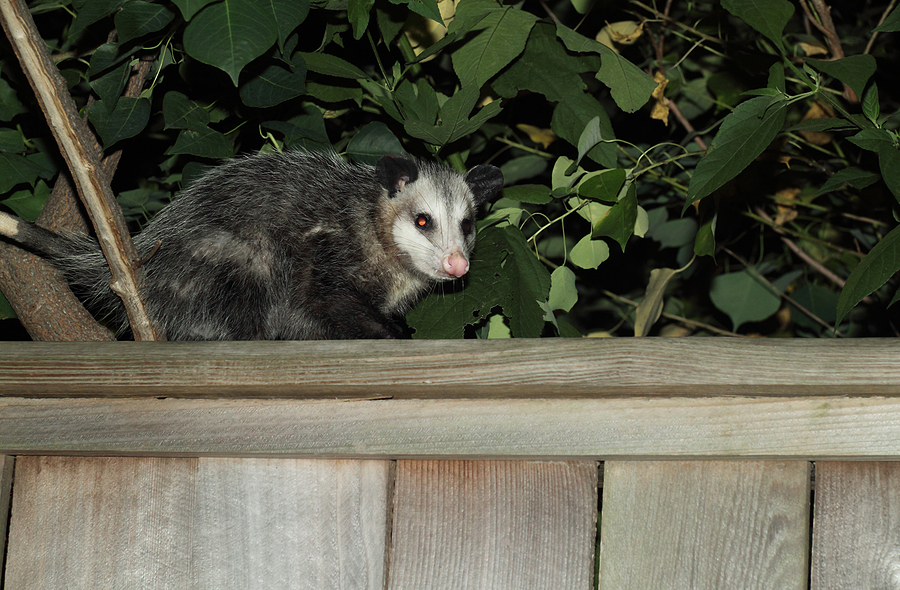
If you spot an animal with a white face, gray fur, and a long, hairless tail, you have visually confirmed your guest.

Request a Possum-Proofing Assessment in Indianapolis

Safe and Humane Removal Strategies

If you have confirmed an opossum is living on your property, your goal should be to encourage them to leave on their own. In Indiana, as in many states, wildlife regulations are specific. For instance, resident landowners can capture an opossum causing damage to property without a permit, but the animal must be released within the same county (with permission) or humanely euthanized within 24 hours. Because relocation can be cruel—animals often struggle to find food or territory in a new location—exclusion is often the kindest and most effective method.

The Gentle Eviction (Hazing)

“Hazing” involves making the opossum’s den uncomfortable so they choose to leave.

  • Light: Opossums prefer dark, quiet spaces. Placing a bright light (like a trouble light) near the entrance of their den during the night can encourage them to move on.
  • Sound: A portable radio tuned to a talk station creates a noise disturbance that makes the animal feel unsafe.
  • Scent: Ammonia-soaked rags placed near (but not inside) the den entrance can act as a deterrent.

Exclusion Barriers

Once you are certain the opossum has left—perhaps after a few nights of hazing—you must seal the entry point to prevent their return.

  • The Newspaper Test: Loosely stuff the entry hole with newspaper. If the paper is pushed aside the next day, the animal is still inside. If it remains undisturbed for several days, the den is likely empty.
  • Sealing the Gap: Use heavy-gauge hardware cloth or welded wire mesh to cover the opening. Bury the wire at least 12 inches deep in an “L” shape to prevent them from digging back under.

Note: Be extremely careful during spring and summer, as babies may be inside the den. Sealing a mother out while her babies are trapped inside is inhumane and will result in further problems.

Preventative Measures

The best way to handle wildlife is to never give them a reason to visit in the first place. Opossums are driven by food and shelter; remove these attractants, and they will likely pass your house by.

  • Secure Your Trash: Use garbage cans with tight-fitting lids. If possible, keep trash containers in a garage until pickup day.
  • Remove Food Sources: Bring pet food indoors at night. Clean up fallen fruit from trees and secure compost piles.
  • Maintain Your Yard: Trim tree branches that hang over your roof to prevent access to your attic. Clear out brush piles and tall grass where opossums might hide.
  • Protect Your Deck: Install lattice or wire mesh around the base of decks and sheds before an animal moves in.

When to Call a Professional Possum Removal Service

While many homeowners can handle minor wildlife issues, there are times when professional intervention is necessary. If an opossum is acting aggressively, appears sick, or is trapped inside your living space, do not attempt to handle it yourself. Additionally, if you suspect there are babies involved, a professional animal trapping and removal service can ensure the entire family is removed together and safely.

Wildlife removal experts have the proper equipment and permits to handle animals legally and humanely. They can also inspect your home for structural vulnerabilities you might have missed.

Restoring Peace to Your Property

Sharing our environment with wildlife is a reality of modern living, but that doesn’t mean you have to share your home with them. By understanding opossum behavior and using humane exclusion techniques, you can resolve conflicts effectively.

If you are dealing with a stubborn opossum or simply want the peace of mind that comes with professional service, we are here to help.

Do you need reliable opossum removal and control in Indianapolis or the surrounding towns? Contact Us Today to schedule an inspection and reclaim your home from unwanted guests.

Call Us Now for a Quote

Related Post: Animal-Proof 101: Things That Attract Nuisance Wildlife to Your Property

Raccoons in Your Attic? A Guide to Safe Animal Removal

Hearing strange noises from your attic at night can be unsettling. For many homeowners in Indiana, the culprit is often a surprisingly common visitor: the raccoon. These clever, masked animals are drawn to the shelter and warmth of attics, but their presence can lead to significant problems. A raccoon infestation is more than just a nuisance; it’s a risk to your home and your family’s health.

Understanding how to handle this situation is crucial. While it might be tempting to tackle the problem yourself, improper removal can be dangerous and ineffective. This guide will explain the signs of a raccoon infestation, the risks involved, and why professional removal is the safest and most reliable solution for getting your home back to normal.

Call 317-832-5840 for Licensed & Insured Raccoon Removal Service & Cleanup in Indianapolis

Identifying a Raccoon Infestation

Before you can effectively address the problem, it’s essential to confirm that raccoons are indeed the cause of your disturbances and not some other creature. Since raccoons are primarily nocturnal animals, most of their activities and the tell-tale signs of their presence will become evident during the hours of darkness or in the quiet of the early morning. Observing these signs carefully will help you ascertain whether these masked visitors have made your property their temporary home.

Signs of Raccoons in the Attic

Loud Noises

One of the most common indicators is sound. You might hear heavy footsteps, thumping, scratching, or dragging noises from above, especially after dusk and before dawn. If there are baby raccoons, you may hear their high-pitched chittering or crying.

Visible Droppings and Urine Stains

Raccoon droppings are dark, tubular, and often contain undigested seeds or berries. They tend to create “latrines”—specific areas where they repeatedly defecate. You may also notice dark stains on your ceilings or walls from urine.

Structural Damage

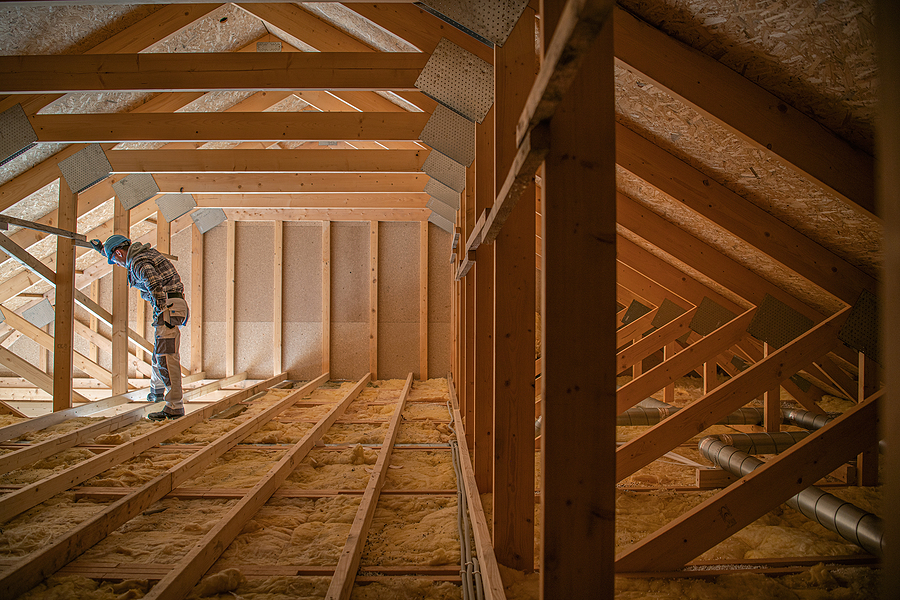
Raccoons are strong and destructive. Look for torn insulation, ripped ductwork, chewed wires, and damaged wood beams. Outside your home, you might find damaged shingles, torn soffits, or bent vents, which they use as entry points.

Potential Risks and Damages

A raccoon in your attic is not a harmless situation. These animals can cause extensive and expensive damage. Chewed electrical wires create a serious fire hazard, while torn insulation reduces your home’s energy efficiency. Moisture from urine and feces can lead to mold, rot, and unpleasant odors that permeate your living space.

Beyond property damage, raccoons pose health risks. They are known carriers of diseases like rabies, which can be transmitted to humans and pets through bites or scratches. Their feces can also contain roundworm eggs, which, if ingested, can cause serious illness in humans.

Professional vs. DIY Removal

When faced with a raccoon problem, many homeowners consider a do-it-yourself approach to save money. However, wildlife removal is a complex task that comes with significant risks.

The Dangers of DIY Animal Removal

Attempting to remove a raccoon on your own can be dangerous. A cornered raccoon, especially a mother protecting her young, can become very aggressive. Trying to trap or handle them without proper training and equipment can result in bites or scratches, exposing you to potential diseases.

Furthermore, DIY methods are often ineffective. Simply trapping an adult raccoon and releasing it elsewhere may not solve the problem, as babies might be left behind in the attic. These young raccoons will eventually die, creating a terrible odor and a new set of biohazards. Blocking an entry point without ensuring all animals are out can also trap them inside, leading to more damage as they desperately try to escape.

Why Professional Removal is the Best Choice

Hiring a licensed wildlife removal service is the safest and most effective way to handle a raccoon infestation. Professionals have the training, experience, and equipment to handle these animals humanely and safely. In Indiana, wildlife control operators are regulated and must follow specific guidelines for trapping and removal.

Professionals can accurately identify the species, locate all entry points, and determine if young are present. They use proven methods to ensure all raccoons are removed from your property before proceeding with repairs and cleanup.

Receive a Professional Raccoon Removal Quote

The Professional Raccoon Removal Process

A professional animal trapping and removal service follows a systematic process to ensure the problem is resolved completely and permanently.

Step 1: Inspection and Assessment

The first step is a thorough inspection of your property. A technician will examine your attic, roof, and the exterior of your home to confirm the presence of raccoons, identify all entry and exit points, and assess the extent of the damage. This detailed assessment allows them to create a customized removal plan.

Step 2: Humane Removal Techniques

Professionals use humane methods to remove raccoons. A common technique is to install a one-way door over the main entry point. This device allows the raccoons to leave the attic but prevents them from getting back in. If baby raccoons are present, the technician will typically remove them by hand and place them outside near the one-way door so the mother can find them and relocate her family.

Step 3: Sealing Entry Points and Repairing Damage

Once all raccoons are gone, the next crucial step is to seal off all potential entry points. Professionals use durable, chew-proof materials like steel mesh to secure vents, soffits, and any other gaps. They can also repair damage to your roof, siding, and attic insulation. This animal exclusion work is essential to prevent future infestations from raccoons or other wildlife.

Step 4: Cleaning and Sanitization

After the raccoons are gone and the entry points are sealed, the final step is to clean and sanitize the attic. This involves removing all droppings, contaminated insulation, and nesting materials. Professionals use special equipment and biocides to disinfect the area, eliminating harmful bacteria, parasites, and odors. This step is vital for restoring a safe and healthy living environment.

Preventing Future Raccoon Infestations

Once your home is raccoon-free, you’ll want to keep it that way. Simple maintenance and preventive measures can make your property less attractive to wildlife.

  • Secure Trash Cans: Use trash cans with locking lids to keep raccoons from finding an easy food source.
  • Limit Food Access: Don’t leave pet food outside overnight, and make sure to clean up fallen fruit or birdseed from your yard.
  • Trim Tree Branches: Cut back tree limbs that hang over your roof, as raccoons can use them as a bridge to your house.
  • Maintain Your Home: Regularly inspect your roof, siding, and foundation for any holes or gaps, and seal them promptly. Installing a chimney cap can also prevent animals from entering through the chimney.

In Summary

Discovering raccoons in your attic can be a stressful experience, but you don’t have to handle it alone. Acting quickly is key to minimizing damage and protecting your family’s health. By understanding the signs of an infestation and the importance of professional intervention, you can ensure the problem is resolved safely and effectively.

If you suspect you have raccoons in your Indianapolis-area home, don’t wait. Contact our certified wildlife removal service to restore your home’s safety and your peace of mind. We serve all of Central Indiana.

Call Now for an Estimate

Related Post: Animal-Proof 101: Things That Attract Nuisance Wildlife to Your Property

Welcome to Trapper Joe’s New Wildlife Control Website and Blog Page!

Wildlife problems can turn your peaceful home into a source of constant worry. Whether it’s raccoons rummaging through your garbage, squirrels nesting in your attic, or bats roosting in your eaves, dealing with nuisance wildlife requires expertise and immediate action. That’s exactly why we’re thrilled to introduce you to our brand-new website and blog at Trapper Joe’s Wildlife Control, LLC.

Our redesigned digital platform serves as your comprehensive resource for wildlife control solutions throughout Greater Indianapolis. Here, you’ll find expert guidance, practical prevention tips, and direct access to our professional animal removal services. We understand that wildlife intrusions aren’t just inconveniences—they’re genuine concerns that affect your family’s safety, your property’s integrity, and your peace of mind.

This new website represents our commitment to providing Central Indiana residents with the most reliable, humane, and effective wildlife control services available. From the bustling Indianapolis Metropolitan Area to the growing communities of Fortville, Greenwood, Lawrence, Fishers, and beyond, we’re here to help you reclaim your property from unwanted animal visitors.

Call 317-832-5840 for Indianapolis Animal Trapping and Removal Service

About Trapper Joe’s Wildlife Control, LLC

For years, Trapper Joe’s has been Central Indiana’s trusted name in professional animal removal service. Our mission centers on providing comprehensive wildlife control solutions that prioritize both human safety and animal welfare. We’ve built our reputation on understanding the unique challenges that nuisance animals presents to homeowners and businesses throughout our service region.

Meet the Owner: Joe Burkhart ☑

Trapper Joe’s Wildlife Control, LLC is proudly owned and operated by Joe Burkhart, a fully licensed and insured wildlife specialist serving Central Indiana. With extensive hands-on experience and a deep understanding of animal behavior, Joe is known for his calm, efficient approach in high-stress situations. He is committed to humane and reliable service, prioritizing the safety of your family, customers, and the wildlife he encounters while handling every job with professionalism and care.

Owner Operator, Joe B.

He and our team bring deep local expertise to every wildlife control situation. We understand the behavior patterns of raccoons that frequent Indianapolis neighborhoods, the seasonal movements of bats in attics, and the nesting habits of squirrels in Fishers homes. We even know how to properly handle, discard, and clean up after related biohazards like dead animals and pest infestations. This intimate knowledge of Indiana wildlife allows us to provide targeted, effective solutions that address the root causes of animal intrusions.

Every wildlife control company claims to offer quality service, but Trapper Joe’s stands apart through our commitment to humane practices and comprehensive solutions. We don’t just remove animals—we provide complete wildlife management that includes animal damage repair, infestation cleanup, and preventative measures designed to protect your property long-term.

Navigating Your New Wildlife Resource

Our improved website makes finding wildlife control solutions easier than ever. The intuitive navigation guides you through our comprehensive service offerings, from emergency animal removal to detailed information about common Indiana wildlife species. You’ll discover dedicated sections covering our service areas, frequently asked questions, and detailed explanations of our humane removal processes.

The website features an extensive wildlife identification guide that helps you understand what animals might be causing problems on your property. High-quality images and behavioral descriptions make it simple to identify whether you’re dealing with raccoons, opossums, skunks, or other common problematic critters. This information proves invaluable when you contact our team for assistance.

Quick contact options appear throughout the site, ensuring you can reach our wildlife control experts whenever animal problems arise. Whether you prefer phone calls, emails, or our convenient online contact form, getting professional help is just a click away.

Your Source for Wildlife Abatement Education

This blog serves a crucial purpose in our mission to educate Central Indiana residents about effective wildlife management. Here, you’ll find regular updates covering seasonal animal behavior, prevention strategies, and insights into the most effective wildlife control methods available.

Our content addresses the real challenges homeowners face when dealing with nuisance wildlife. You’ll learn about identifying early signs of animal intrusions, understanding why certain animals choose your property, and implementing practical measures to discourage wildlife activity. Each post draws from our extensive field experience and deep understanding of Indiana wildlife behavior.

We’ll cover topics ranging from spring wildlife activity patterns to winter animal shelter-seeking behaviors. Expect detailed guides on securing your property against specific animals, understanding the health risks associated with wildlife infestations, and knowing when professional intervention becomes necessary.

Comprehensive Wildlife Control Services in Central Indiana

Trapper Joe’s Wildlife Control offers complete solutions for every aspect of your wildlife problem. Our wildlife removal services handle everything from single-animal extractions to complex infestation situations. We employ humane, effective methods that ensure animals are removed safely while preventing their return to your property.

Animal damage repair represents a crucial component of complete wildlife control. Animals don’t just occupy your space—they often cause significant structural damage, compromise insulation, and create entry points for future intrusions. Our repair services address all wildlife-related damage, from torn insulation and chewed wires to damaged roofing and compromised foundations.

Infestation cleanup goes beyond simple animal removal. Wildlife presence often leaves behind dangerous contaminants, including droppings, urine, nesting materials, and parasites. Our thorough cleanup and sanitation services eliminate health hazards and odors while restoring your property to safe, healthy conditions.

Preventative measures form the foundation of effective long-term wildlife control. We identify vulnerabilities in your property’s defenses and implement targeted solutions that discourage future animal activity. This might include sealing entry points, modifying landscaping features that attract wildlife, or installing exclusion devices that prevent animal access.

Local Expertise and Humane Practices

Understanding Indiana wildlife requires years of local experience and specialized knowledge. Trapper Joe Burkhart and our extended team knows which animals are most active during specific seasons, where they’re likely to establish nests or dens, and what environmental factors encourage their presence on residential properties. This expertise allows us to provide targeted solutions rather than generic approaches.

Our humane practices set us apart from other animal trapping and removal companies. We believe effective animal removal doesn’t require causing unnecessary stress or harm to wildlife. Our methods prioritize animal welfare while ensuring complete removal and prevention of return. This ethical approach aligns with modern wildlife management principles and reflects our respect for the natural environment.

Every member of our team undergoes extensive training in humane wildlife handling techniques. We stay current with evolving best practices and maintain all necessary licenses and certifications required for professional wildlife control operations in Indiana.

Serving Central Indiana Communities

Trapper Joe’s Wildlife Control, LLC proudly serves the entire Indianapolis Metropolitan Area and surrounding communities. Our service area includes Avon, Franklin, Carmel, Noblesville, Plainfield, Greenfield, Zionsville, Brownsburg, and McCordsville, along with numerous surrounding counties throughout Central Indiana.

Each community we serve presents unique wildlife control challenges. Urban areas like downtown Indianapolis often deal with raccoons and rodents, while suburban communities such as Carmel and Fishers frequently experience issues with squirrels, bats, and occasional larger wildlife. Our local expertise ensures we understand the specific challenges your community faces.

Our rapid response capability means help arrives quickly regardless of your location within our service area. Wildlife problems don’t follow convenient schedules, and neither do we. Emergency situations receive priority attention, ensuring your family’s safety and property protection remain our top concerns.

Your Partner in Wildlife Management

Trapper Joe’s Wildlife Control, LLC represents more than just another animal removal service—we’re your neighbors committed to protecting Central Indiana homes and families from wildlife intrusions. Our new website and blog reflect our dedication to providing the most comprehensive, humane, and effective wildlife control solutions available.

Thank you for visiting our new digital home. Bookmark our blog for regular updates on wildlife control topics, seasonal animal activity alerts, and practical prevention advice. Together, we’ll ensure your property remains secure, safe, and free from unwanted wildlife visitors.

Remember: when wildlife problems arise, professional solutions provide the fastest, safest, and most effective path back to peace of mind.

Ready to Solve Your Wildlife Problems?

Wildlife control problems require immediate professional attention. Waiting often leads to increased property damage, expanded infestations, and greater health risks for your family. Don’t let nuisance wildlife compromise your home’s safety and comfort any longer.

Contact Trapper Joe’s Wildlife Control, LLC today at 317-832-5840 for expert assistance with all your animal removal needs. Our experienced team stands ready to provide comprehensive wildlife control solutions tailored to your specific situation. From initial assessment through final prevention measures, we’ll guide you through every step of reclaiming your property from unwanted wildlife visitors.

Visit our new website to explore our complete service offerings, schedule consultations, or access our extensive wildlife education resources. Your wildlife-free home is just one phone call away.

And Check Back for ✨New Blog Posts✨ Each Month!