That fluttering, scratching, or chirping sound coming from your fireplace usually means one thing: you have a feathered houseguest. Birds often see chimneys as the perfect hollow space to build a nest, and once they settle in, they can be tricky—and risky—to remove on your own.
Beyond the noise, nesting birds can bring health concerns, fire hazards, and even legal complications. Many species, including the common chimney swift, are federally protected, which means removing them the wrong way can land you in trouble.
This guide explains why birds love chimneys, the dangers they pose, and how a professional can remove them safely and humanely. By the end, you’ll know exactly what steps to take to reclaim your chimney for good.
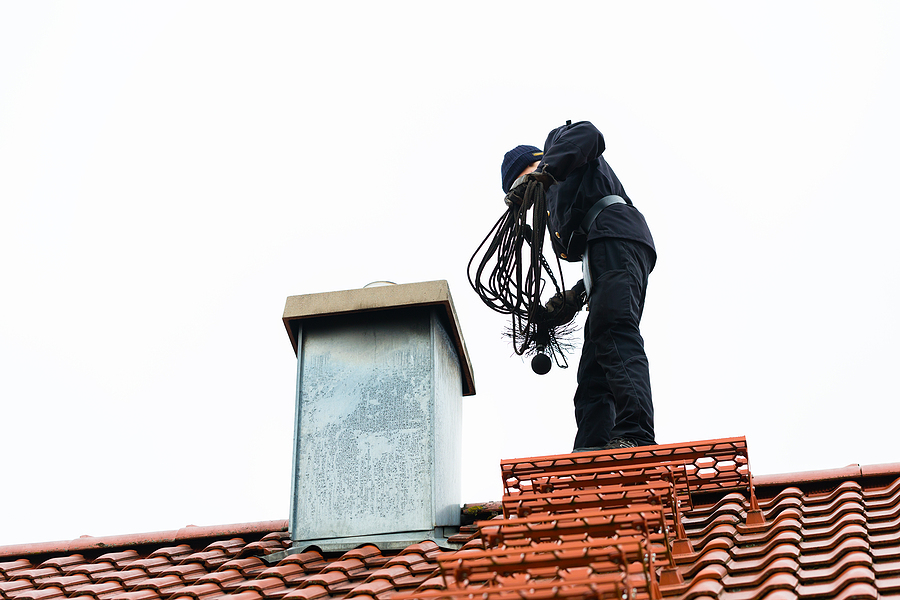
Why Birds Choose Chimneys
A chimney mimics the natural environments many birds prefer. Hollow trees and rock crevices are harder to find in suburban areas, so a warm, sheltered, vertical shaft becomes the next best thing.
Chimney swifts are especially drawn to these spaces. According to the U.S. Fish & Wildlife Service, the chimney swift is a migratory bird that nests inside chimneys and similar structures, attaching its small half-cup nest directly to the inner wall. In Indiana, their breeding season typically runs from May to July, with the birds often arriving in late April.
Chimneys offer protection from predators and harsh weather, making them an ideal place to raise young. Unfortunately, what’s convenient for the birds often becomes a problem for homeowners.
The Dangers of Nesting Birds in Your Chimney
A few birds may seem harmless, but a nest in your chimney can create real risks for your home and your family.
Health Risks
Bird droppings and nesting debris can harbor bacteria, parasites, and fungus. In some cases, droppings from birds like pigeons and starlings contribute to histoplasmosis, a respiratory illness caused by a fungus that grows in soil enriched with bird waste. Nesting materials can also attract mites, lice, and other pests that may make their way into your living space.
Fire Hazards
Bird nests are built from dry twigs, leaves, and grass—all highly flammable. If a nest blocks your flue and you light a fire, flames can spread quickly to the nesting material. A blocked chimney also traps smoke and dangerous gases like carbon monoxide inside your home.
Structural Damage
Over time, nesting debris, droppings, and moisture can damage your chimney’s interior. Blockages prevent proper airflow and ventilation, while acidic droppings can corrode masonry and metal components. Left unchecked, this leads to costly animal damage repairs.
How to Identify a Bird in Your Chimney
Before you can address the problem, you need to confirm that birds are actually the cause—and whether a nest is currently active.
Signs of Bird Activity
Watch and listen for these common indicators:
- Sounds: Chirping, flapping, or scratching noises, especially in the early morning.
- Debris: Twigs, leaves, or grass appearing in your fireplace.
- Smells: A musty or unpleasant odor from droppings and nesting material.
- Sightings: Birds entering or exiting the top of your chimney at dusk or dawn.
Distinguishing Between Active and Empty Nests
An active nest contains eggs or young birds and may produce frequent chirping, particularly when adult birds return to feed their chicks. An empty nest is quieter and may simply be leftover debris from a past season.
This distinction matters legally. Under the Migratory Bird Treaty Act, it is illegal to remove or disturb an active nest that contains eggs or nestlings—even if it’s in an inconvenient spot. A professional can correctly identify the nest’s status and determine the right course of action.
When to Call a Professional for Bird Removal
Removing birds from a chimney is rarely a simple task. Between federal regulations and physical safety risks, this is a job best left to trained experts.
Legal Protections for Birds
Chimney swifts and many other species are protected under the Migratory Bird Treaty Act. Harassing, injuring, or killing these birds—or disturbing their active nests during breeding season—without a federal permit is against the law. A licensed bird removal and control service understands these regulations and works within them.
Safety Concerns for Homeowners
Climbing onto a roof and reaching into a chimney is dangerous. You risk falls, exposure to droppings and parasites, and even injury from frightened birds. Professionals have the proper equipment and training to handle the job safely.
Effective and Humane Removal Techniques
Because protected birds can’t be harmed, removal often involves waiting until young birds have fledged, then safely extracting the nest. Specialists use humane methods—such as one-way exclusion devices—that allow birds to leave without being able to return.
The Professional Bird Removal Process
Hiring an expert takes the guesswork and risk out of the equation. Here’s what a typical removal looks like.
Initial Assessment and Inspection
A technician inspects your chimney to confirm the presence of birds, identify the species, and determine whether the nest is active. This step ensures the removal complies with all legal requirements.
Safe and Humane Bird Extraction
Once it’s legal and safe to proceed, the professional removes the birds using humane techniques. For protected species, this may mean timing the removal around the nesting cycle.
Nest Removal and Cleanup
After the birds are gone, the technician removes the nest and clears out droppings and debris. Thorough cleanup reduces health risks and removes flammable material from your flue.
Chimney Inspection and Damage Repair
Finally, the chimney is inspected for any damage caused by the nest. Addressing problems early prevents bigger issues down the road and gets your chimney back in working order.
Preventing Future Bird Infestations
Once your chimney is clear, a few simple steps will keep birds from coming back.
Chimney Caps: Your First Line of Defense
A chimney cap is the most effective barrier against birds. This mesh-covered cover sits on top of your chimney, blocking birds and other animals while still allowing smoke to escape.
Regular Chimney Maintenance
Annual inspections and cleanings help you catch early signs of nesting before they become serious. Routine maintenance also keeps your chimney safe and efficient year-round.
Professional Bird Control Solutions
For ongoing peace of mind, a wildlife control specialist can recommend tailored solutions to keep your home bird-free, from exclusion devices to regular monitoring.
Frequently Asked Questions
Are birds in chimneys common?
Yes. Chimneys offer birds a warm, sheltered, predator-free space that closely resembles the hollow trees and crevices they nest in naturally. Chimney swifts in particular are well known for nesting inside chimneys during their breeding season.
How long does bird removal take?
It depends on the situation. An empty nest can often be removed quickly. However, if an active nest with eggs or young birds is involved, removal may need to wait until the birds have fledged, since they are federally protected.
Is bird removal humane?
Yes. Professional removal relies on humane methods that avoid harming the birds. For protected species, experts time the removal around the nesting cycle and use one-way exclusion devices that let birds leave safely without returning.
Keeping Your Chimney Bird-Free
Birds in your chimney are more than a nuisance—they’re a health, fire, and legal concern that deserves prompt, professional attention. By recognizing the signs early and relying on trained specialists, you can protect both your home and the birds themselves.
For safe and effective bird removal and control in Indianapolis, Indiana, choose Trapper Joe’s. Request an estimate today.
Related Post: Birds, Nature, and You: Celebrating National Bird Day