Stop the Scratching: How to Prevent Squirrels from Nesting in Your Roof

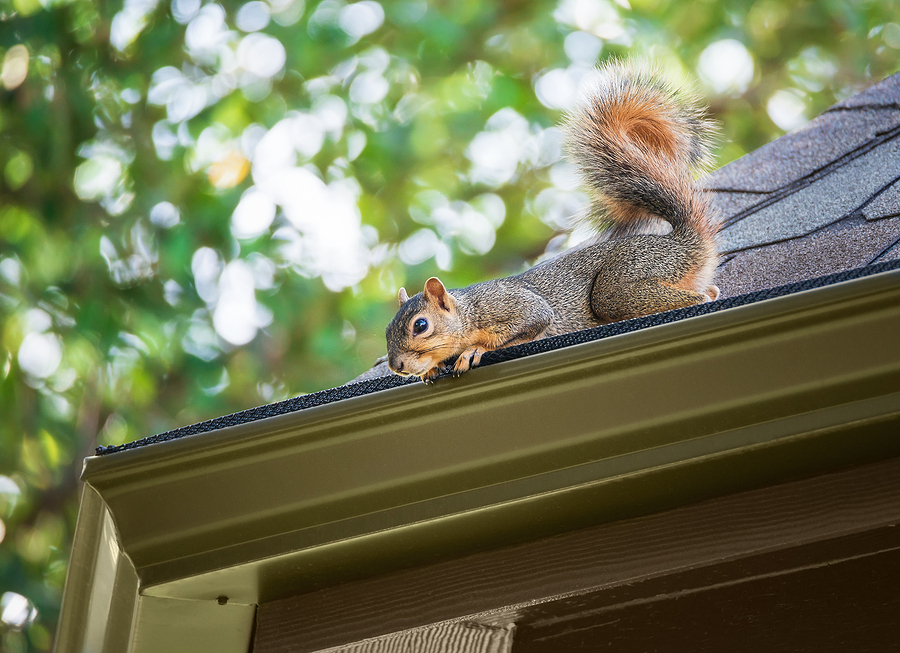
The sound is unmistakable—a frantic scratching or scurrying noise coming from directly above your head. For many homeowners, this unsettling soundtrack is the first sign that their roof has become a cozy nursery for a family of squirrels. While these bushy-tailed creatures may seem harmless in the park, they can cause significant damage to your home’s infrastructure and electrical wiring once they move in.

A squirrel infestation isn’t just a nuisance; it’s a threat to the safety and sanitation of your home. Chewed wires can pose fire hazards, while soiled insulation can lead to costly repairs and health concerns. Fortunately, with the right knowledge and preventative measures, you can reclaim your attic and keep these uninvited guests outdoors where they belong.
Call 317-832-5840 for Squirrel Control Service in Indianapolis

Understanding Squirrel Behavior and Nesting Habits

To effectively keep squirrels out, you first need to understand why they want to get in. Squirrels are instinctual nesters looking for warm, dry, and safe places to raise their young—and your attic fits the bill perfectly.

When are squirrels most active?

Squirrels typically have two breeding seasons per year: once in mid-winter (breeding in December/January with births in February) and again in late spring (breeding in June with births in August). During these periods, female squirrels are desperate to find secure shelter. This means your home is most vulnerable to intrusion in late fall and early spring.

Why attics?

In the wild, squirrels build nests called dreys in the forks of tall trees. However, an attic offers superior protection from predators like hawks and owls, as well as insulation from harsh weather. Once a female squirrel establishes a nest in your insulation, she becomes very territorial and difficult to evict, especially if she has a litter of “kits” (baby squirrels) dependent on her.

Identifying Squirrel Entry Points

Squirrels are persistent and agile climbers, capable of squeezing through surprisingly small openings. A hole as small as 1 ½ inches is often enough for an adult squirrel to gain entry. To secure your home, you must identify and inspect common vulnerabilities around your roofline.

Soffits and Fascia Boards

The soffit (the underside of the roof overhang) and fascia (the board facing outward) are prime targets. If water damage has softened the wood, squirrels can easily chew right through it. Even aluminum or vinyl soffits can be pushed up or torn open by a determined animal.

Roof Vents and Gable Vents

Attic vents are essential for air circulation, but standard insect screens are no match for squirrel teeth. Squirrels frequently gnaw through flimsy screening or plastic vent covers to access the warmth inside.

Chimneys and Flues

An uncapped chimney is essentially an open door. Squirrels may fall in accidentally or climb down intentionally to nest on the smoke shelf. Once inside a slick flue tile, they often cannot climb back out and may end up in your fireplace or basement.

Roof Intersections

Areas where different rooflines meet or where dormers join the main roof are prone to gaps. As houses settle, these construction joints can open up just enough to invite a curious rodent.

Schedule a Squirrel Removal Estimate Right Now

Effective Methods for Squirrel Prevention

Once you have identified potential weak spots, it is time to fortify your home. Prevention is far more cost-effective than repairing damage after an infestation.

Sealing Entry Points

The most effective way to block entry is by using materials that squirrels cannot chew through. Avoid using expanding foam alone, as squirrels can gnaw through it in minutes. Instead, use 1/4-inch wire mesh (hardware cloth) or heavy-gauge sheet metal.

  • Vents: Install hardware cloth behind or over existing vent covers. Secure it with screws rather than staples to prevent it from being pulled loose.
  • Chimneys: Install a professional-grade stainless steel chimney cap. This not only keeps squirrels out but also prevents rain and birds from entering.
  • Holes: For small holes in wood or siding, stuff the opening with copper mesh or steel wool before sealing it with high-quality caulk or wood filler. The metal mesh makes it painful for animals to chew back through.

Tree Trimming and Management

Squirrels are acrobatic jumpers. To minimize their access to your roof, you should maintain a “no-jump zone” around your home. Experts generally recommend trimming tree branches so they are at least 6 to 10 feet away from your roofline [1].

If you have power lines running to your house that squirrels use as a highway, consider asking your utility company if they can install slit plastic piping over the lines (never attempt this yourself). This creates a spinning surface that makes it difficult for squirrels to cross [2].

Repellents and Deterrents

While physical exclusion is the gold standard, deterrents can play a supporting role.

  • Baffles: If squirrels climb up posts or poles to reach your roof, installing metal or plastic baffles can prevent them from getting traction.
  • Taste Repellents: Commercial sprays that taste bitter (often made with capsaicin from chili peppers) can be applied to wood or shingles to discourage chewing. However, these must be reapplied frequently and are not a permanent solution.
  • One-Way Doors: If you suspect squirrels are already inside, never seal the hole immediately. You risk trapping them inside, where they will cause massive damage trying to escape or die and create an odor issue. Instead, install a one-way exclusion door that allows them to leave but not re-enter. Leave this in place for several days to ensure all animals have vacated before permanently sealing the hole.

Professional Help: When to Call an Expert

While DIY prevention is possible, active infestations often require professional intervention. This is particularly true if baby squirrels are present. Separating a mother from her young is not only inhumane but can lead to the mother causing extreme damage to your home in her frantic attempts to reach them.

Complex Rooflines

If your roof is steep, high, or complex, accessing entry points can be dangerous. Professional wildlife control services have the proper safety equipment to inspect hard-to-reach areas like dormers and upper-story eaves.

Legal Considerations

Wildlife removal is regulated by state laws. For instance, in Indiana, nuisance wild animals taken under a permit must often be released in the same county of capture or euthanized; they cannot simply be relocated to a park far away without specific permission [4]. Licensed professionals understand these regulations and ensure the process is legal and ethical.

Conclusion

If you hear scratching in your attic or spot squirrels damaging your roofline, don’t wait for the damage to get worse. Protecting your home from squirrels requires vigilance and maintenance. By understanding their nesting habits and proactively sealing entry points, you can prevent the stress and expense of an attic infestation. Remember, the goal is not just to get them out, but to keep them out for good.

Need help with a stubborn squirrel problem? Our team provides humane, effective, and professional squirrel removal and control services in Indianapolis and the surrounding counties. Contact Us Today to schedule your inspection and reclaim your peace of mind.

Call to Get Started

Related Post: Raccoons in Your Attic? A Guide to Safe Animal Removal
Wildlife-Proofing Your Home: Tips for Every Season

Central Indiana is known for its beautiful seasons and diverse ecosystems. From the rolling hills of Brown County to the bustling neighborhoods of Indianapolis, our region is teeming with life. While spotting a cardinal in the snow or a squirrel in the park is charming, discovering a family of raccoons in your attic is a different story entirely.

As the seasons shift, so do the behaviors and needs of local wildlife. Animals are constantly seeking food, water, and shelter, and your home often presents the perfect solution to their problems. Unfortunately, this can lead to property damage, health risks, and sleepless nights for you.

Effective wildlife-proofing isn’t a one-time task; it is a year-round commitment that changes alongside the weather. By understanding the habits of our local fauna and taking proactive steps, you can coexist with nature without inviting it into your living room.

Call 317-832-5840 to Reach Our Licensed Wildlife Control Company in Indianapolis Indiana

Understanding the Native Woodland Wildlife in Indiana

Before you can effectively protect your home, you need to know who you are up against. Central Indiana is home to a variety of species that have adapted remarkably well to suburban and urban environments.

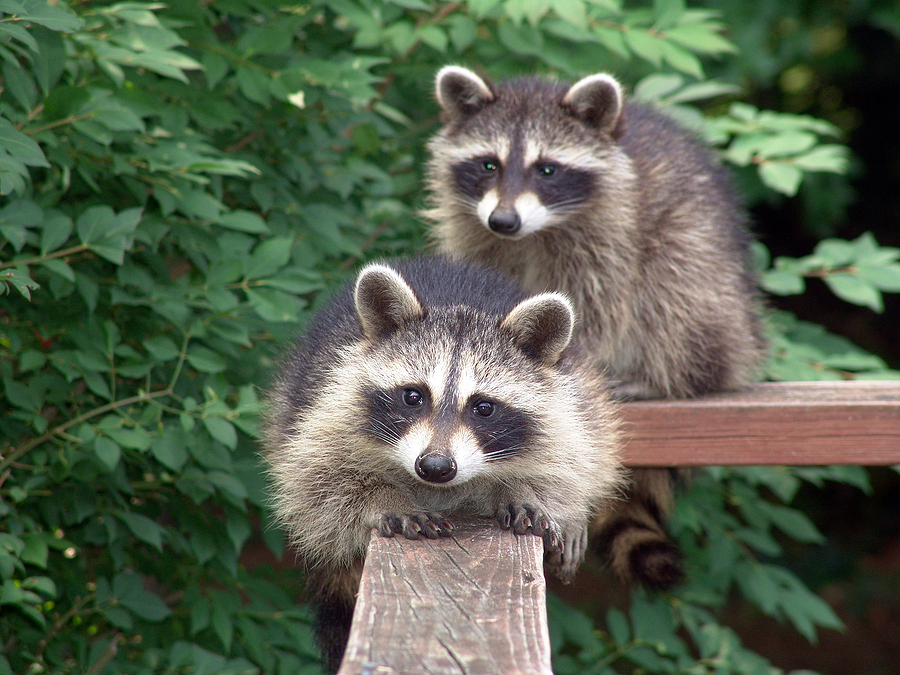
  • Raccoons: These masked bandits are incredibly dexterous and intelligent. They are notorious for tearing off shingles, opening latched bins, and making themselves at home in chimneys and attics.
  • Squirrels: While they seem harmless, squirrels can cause significant damage by chewing through electrical wiring, insulation, and wood siding to create nesting sites.
  • Bats: Several species of bats call Indiana home. They are beneficial for insect control but can become a serious health hazard if they roost in your attic, leaving behind guano that can carry histoplasmosis.
  • Birds: Starlings and sparrows often look for vents or gaps in soffits to build nests, which can block airflow and create fire hazards.

These animals aren’t acting out of malice; they are simply following their instincts to survive. However, their survival instincts can clash with the structural integrity of your home.

Spring: Prevention and Inspection

As the frost melts and flowers bloom, wildlife activity spikes. Spring is baby season. Animals are emerging from winter dormancy and actively looking for safe, warm places to raise their young.

Secure the Perimeter

Conduct a thorough inspection of your home’s exterior. Winter storms may have loosened siding or damaged roof shingles, creating perfect entry points. Look for holes, cracks, or gaps, particularly around the roofline and foundation. Even small openings can be exploited; a mouse needs only a quarter-inch gap to enter, and a raccoon can tear open a small hole to make it fit.

Manage Waste

Spring cleaning often means clearing out the garage or shed. Ensure your trash cans have tight-fitting lids. If possible, store them inside a garage or shed until pickup day. The scent of food scraps is a powerful attractant for raccoons and opossums waking up from the winter months.

Check Vents and Chimneys

Install caps on your chimney and sturdy mesh screens over vents. Birds and squirrels view uncapped chimneys as hollow trees perfect for nesting. A chimney cap is a small investment that prevents significant headaches later.

Summer: Resource Management

During the hot, humid Indiana summers, wildlife is focused on raising young and finding relief from the heat. This is also when insects—a primary food source for many animals—are most active.

Eliminate Water Sources

Standing water is a magnet for wildlife and mosquitoes. Fix leaky outdoor faucets, empty birdbaths regularly to prevent stagnation, and ensure your gutters are draining properly. If your property offers a reliable water source, animals will likely stick around to see what else is on the menu.

Garden Protection

Your vegetable garden is just as appetizing to groundhogs and rabbits as it is to you. Use fencing buried at least six inches underground to prevent burrowing animals from getting in. Consider raised beds or installing motion-activated sprinklers to deter hungry visitors without harming them.

Insect Control

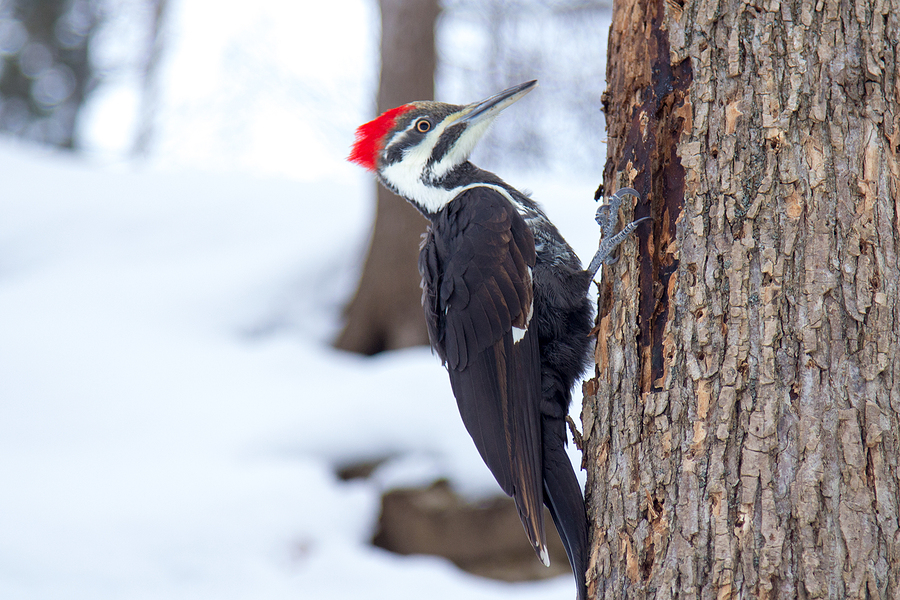
Insects attract larger predators. If you have a termite or carpenter ant problem, you might soon find woodpeckers drilling into your siding or bears (though rare in Central Indiana) and raccoons tearing at rotting wood to get to the larvae. Keeping your home pest-free helps keep it wildlife-free.

Schedule a Wildlife Control Inspection in Indianapolis

Autumn: The Pre-Winter Seal Up

As the leaves change and temperatures drop, animals instinctively start searching for a winter den. This is the most critical time for wildlife-proofing.

Seal Entry Points

Revisit the inspection you did in spring. Caulk around windows and doors. Use steel wool mixed with expanding foam to fill gaps around pipes entering the foundation—rodents can chew through foam and wood, but steel wool hurts their teeth, acting as an effective barrier.

Tree Trimming

Overhanging tree branches act as bridges for squirrels and raccoons to access your roof. Trim branches back at least six to eight feet from your house. This simple step significantly reduces the traffic on your roof and limits access to your chimney and attic vents.

Store Outdoor Furniture

Cushions on patio furniture provide excellent nesting material for mice. Store cushions in sealed containers or bring them inside. Clean your grill thoroughly to remove grease and food residue, which can attract skunks and raccoons.

Winter: Limit Temptation

When the snow falls in Indianapolis, natural food sources become scarce. Your goal in winter is to make your home less attractive than a hollow log in the woods.

Bird Feeder Placement

We all enjoy watching cardinals against the snow, but bird feeders can be problematic. Spilled seed attracts mice and voles, which in turn attract predators like foxes or coyotes. Keep feeders at a distance from the house and clean up spilled seed regularly. If you notice rodents, consider taking the feeders down for a few weeks.

Monitor the Attic

Listen for scratching or thumping noises at night. Winter is when you are most likely to discover you have a roommate in the attic. If you suspect an animal has moved in, do not seal the entry point immediately—you might trap the animal inside, leading to further damage and a worse smell.

Protect Against Ice Dams

Ice dams can pry up shingles and damage gutters, creating new entry points. Ensure your attic is well-insulated and ventilated to prevent snow from melting and refreezing at the roof edge.

DIY Solutions vs. Professional Help

For minor issues, homeowners can take many effective steps on their own.

  • Barriers: Install heavy-gauge hardware cloth (mesh) around the base of decks and porches to stop skunks and groundhogs from burrowing underneath.
  • Lights: Motion-activated floodlights can startle nocturnal animals like raccoons and opossums, encouraging them to move elsewhere.
  • Maintenance: Regular home maintenance, such as fixing loose fascia boards and cleaning gutters, is the best defense.

However, there are times when a professional touch is required. If an animal is already established inside your home, do not attempt to remove it yourself. Wild animals can be unpredictable and dangerous when cornered or protecting their young. Furthermore, species like bats are protected by law, and removing them requires specific timing and methods to ensure they aren’t harmed during the process.

A professional wildlife control company can safely evict the animal, clean up the biohazardous waste they leave behind, and repair the damage to prevent future reentry.

In Summary

Your home is your sanctuary, and keeping it secure requires vigilance throughout the year. By understanding the seasonal behaviors of Central Indiana’s wildlife and taking preventative measures, you can protect your property and ensure that nature stays where it belongs—outside.

If you hear scratching in the walls, spot droppings in the attic, or see damage to your roofline, don’t wait for the problem to escalate. Wildlife issues rarely resolve themselves and often get more expensive the longer they are ignored.

Do you need assistance with unwelcome guests? Contact Our Team of experts today for professional wildlife control services in Indianapolis and the surrounding counties. We are here to help you reclaim your home safely and humanely.

Place Your Call Now

Related Post: Animal-Proof 101: Things That Attract Nuisance Wildlife to Your Property

Animal-Proof 101: Things That Attract Nuisance Wildlife to Your Property

Your peaceful Indiana home can quickly become a battleground when uninvited wildlife decides to move in. Raccoons, skunks, opossums, foxes, muskrats, yard moles, and bats don’t just appear randomly on your property—they’re drawn by specific attractions that make your yard an irresistible habitat. Understanding what lures these nuisance animals to your space is the first step in effective wildlife control and preventing costly animal infestations.

These creatures cause more than just inconvenience. They can damage your property, contaminate areas with waste, and pose health risks to your family and pets. The good news? Most wildlife problems are preventable when you know what attracts them and how to eliminate those attractions.

Let’s explore the three main factors that turn your property into a wildlife magnet and discover proven strategies to keep these nuisance animals where they belong—in their natural habitats, not your home.

Call 317-832-5840 for Licensed & Insured Wildlife Control Service in Indianapolis Indiana

What’s Attracting Animals to Your Yard? Common Culprits

Food Sources: The Primary Wildlife Magnet

Nothing attracts nuisance wildlife faster than an easily accessible food source. Your property likely offers multiple dining opportunities that seem perfectly normal to you but represent a feast to hungry animals.

Unsecured Garbage and Pet Food

Take the case of one Indianapolis homeowner who discovered raccoons had torn through multiple trash bags, scattering garbage across their entire yard. The mess took hours to clean, and the raccoons returned night after night until the family invested in secure, metal trash containers with tight-fitting lids.

Pet food left outside creates an open invitation for various species. Raccoons, opossums, and skunks will gladly help themselves to dog and cat food, often returning regularly once they’ve identified your property as a reliable food source. Even empty pet bowls can retain scents that attract wildlife long after the food is gone.

Gardens and Fruit Trees

Your carefully tended vegetable garden represents a gourmet buffet to many Indiana wildlife species. Raccoons particularly enjoy corn, while opossums feast on fallen fruit. Muskrats may target aquatic plants if you have a pond or water garden.

Prevention Strategies for Food Sources

Implementing proper food source management requires consistent effort but delivers significant results:

  • Secure all garbage containers with tight-fitting lids and consider investing in metal cans that animals cannot chew through. Store trash containers in a garage or shed when possible, especially the night before pickup.
  • Remove pet food immediately after feeding time, and clean feeding areas regularly to eliminate lingering scents. Store pet food in airtight containers inside your home or garage.
  • Protect gardens and fruit trees with appropriate fencing. A fence extending at least one foot underground prevents burrowing animals from accessing garden areas. Remove fallen fruit promptly and consider harvesting vegetables as soon as they ripen.
  • Clean outdoor cooking areas thoroughly after use, including grills, picnic tables, and any surfaces where food preparation occurs.

Water Sources: Essential for Wildlife Survival

Water availability plays a crucial role in wildlife habitat selection, particularly during Indiana’s hot summer months when natural water sources may become scarce. Many homeowners unknowingly provide multiple water sources that sustain nuisance animal populations.

Standing Water and Irrigation Issues

Leaky faucets, clogged gutters, and improperly draining irrigation systems create puddles and standing water that attract various wildlife species. Bird baths, while intended for songbirds, often serve larger animals as drinking sources.

Muskrats specifically seek properties near water sources and may dig burrows near ponds, streams, or even consistently wet areas of your yard. Their burrowing can damage landscaping and create unsightly holes throughout your property.

Seasonal Water Management

Summer months require particular attention to water source management. Animals increase their water consumption during hot weather, making your property’s water sources even more attractive. Autumn brings additional challenges as animals prepare for winter by establishing reliable resource territories.

Water Source Solutions

Eliminate standing water by fixing leaky outdoor faucets, cleaning gutters regularly, and ensuring proper drainage around your property. Check for areas where water collects after rain and improve drainage as needed.

Modify bird baths and water features by changing water frequently and considering motion-activated devices that startle approaching wildlife while allowing birds to drink.

Maintain irrigation systems properly to prevent overwatering and standing water accumulation. Use timers to avoid unnecessary watering, and regularly inspect sprinkler heads for leaks.

Address foundation moisture by ensuring proper grading around your home so water flows away from the structure, reducing both structural damage risks and wildlife attractions.

Book a Nuisance Wildlife Control Assessment Today!

Shelter Opportunities: Where Wildlife Makes Home

Wildlife seeks three basic needs: food, water, and shelter. Once animals have identified reliable food and water sources on your property, they’ll look for nearby shelter options to complete their habitat requirements.

Common Shelter Areas

Sheds, decks, porches, and crawl spaces provide ideal denning sites for many nuisance species. Consider the hypothetical homeowner whose family noticed a persistent, unpleasant odor around their front porch. Investigation revealed skunks had burrowed underneath, creating both an odor problem and potential structural damage as their digging compromised the porch’s foundation support.

Overgrown vegetation creates natural hiding places and nesting sites. Dense shrubs against your home’s foundation offer protected pathways for animals to explore your property undetected. Yard moles create extensive tunnel systems in lawns, damaging root systems and creating unsightly surface ridges.

Attics and wall voids attract bats, squirrels, and raccoons seeking warm, dry nesting sites. One successful prevention strategy involved installing metal barriers around tree trunks near a home’s roofline, preventing squirrels from accessing the attic and eliminating ongoing noise and damage issues.

Shelter Prevention Methods

Seal entry points around your home’s foundation, including gaps under porches, sheds, and decks. Use hardware cloth or metal flashing to close openings, ensuring barriers extend underground to prevent digging.

Trim vegetation regularly, maintaining at least three feet of clearance between shrubs and your home’s exterior walls. Remove brush piles, fallen logs, and other debris that could serve as hiding places.

Inspect and maintain roof areas, gutters, and eaves for gaps that could allow entry to attics or wall spaces. Install chimney caps and vent covers to prevent wildlife access.

Address yard mole problems professionally when tunneling becomes extensive. In one successful case, professional trapping removed an established mole population, preventing further lawn damage and eliminating the extensive tunnel network that had developed over several months.

Comprehensive Animal-Proofing Measures

Effective wildlife control requires a proactive, year-round approach that addresses all attraction factors simultaneously. Seasonal considerations help focus your prevention efforts when specific risks increase.

Seasonal Prevention Strategies

  • Spring prevention focuses on discouraging nesting as animals seek shelter for birthing young. Conduct thorough property inspections and seal potential entry points before breeding season begins.
  • Summer wildlife management emphasizes water source control due to increased animal water needs during hotter months. Monitor and maintain irrigation systems, fix leaks promptly, and eliminate standing water sources.
  • Autumn preparation highlights food source security as wildlife actively searches for winter food supplies. Harvest gardens completely, secure garbage more diligently, and remove fallen fruit immediately.
  • Winter animal-proofing concentrates on sealing entry points to prevent animals from seeking warmth inside your home. Cold weather drives wildlife toward heated spaces, making thorough exclusion work critical.

Professional Wildlife Removal Services

Sometimes, despite your best prevention efforts, established wildlife populations require professional intervention. Professional wildlife removal services provide expertise in safe, humane animal removal and can identify attraction factors you might overlook.

Regular professional inspections help identify potential problems before they become established infestations. Wildlife management professionals understand animal behavior patterns and can recommend property-specific solutions based on your unique landscape and wildlife pressure.

In Summary

Understanding what attracts nuisance wildlife to your Indiana property empowers you to take control of the situation. By eliminating food sources, managing water availability, and reducing shelter opportunities, you create an environment that encourages wildlife to seek habitat elsewhere.

Remember that wildlife control requires consistency and patience. Animals with established territories won’t immediately relocate when you remove attractions, but persistence pays off. Seasonal adjustments to your prevention strategies help maintain effectiveness year-round.

Don’t wait until wildlife problems become established infestations. Schedule a Consultation with our wildlife removal experts today to assess your property’s vulnerability and develop a customized prevention plan. Professional guidance ensures you address all potential issues while implementing the most effective solutions for your specific situation and Indiana’s unique wildlife challenges.

Place Your Call Now

Related Post: Welcome to Trapper Joe’s New Wildlife Control Website and Blog Page!