Yes, Indiana law allows homeowners and tenants to trap certain nuisance animals on their own property without a state permit. However, the rules depend on the animal species, whether it’s causing damage or posing a safety threat, and how the animal is captured and handled afterward. Indianapolis also has local trapping regulations that property owners must follow.
Whether you’re dealing with raccoons in the attic, squirrels in the walls, or groundhogs digging beneath your shed, understanding these rules can help you avoid legal problems and unnecessary risks.
Here’s what you need to know about animal trapping laws in Indianapolis and when professional wildlife removal is the better option.
Is It Legal to Trap Wildlife on Private Property in Indiana?
Under Indiana Department of Natural Resources (DNR) regulations, resident property owners and tenants can capture certain nuisance wildlife without a state permit if the animals are:
- Causing or threatening to cause property damage.
- Posing a health or safety threat to people or domestic animals.
- Located on property the individual owns or rents.
This exemption applies to specific animal species, not all wildlife. It also doesn’t override local ordinances governing trapping methods.
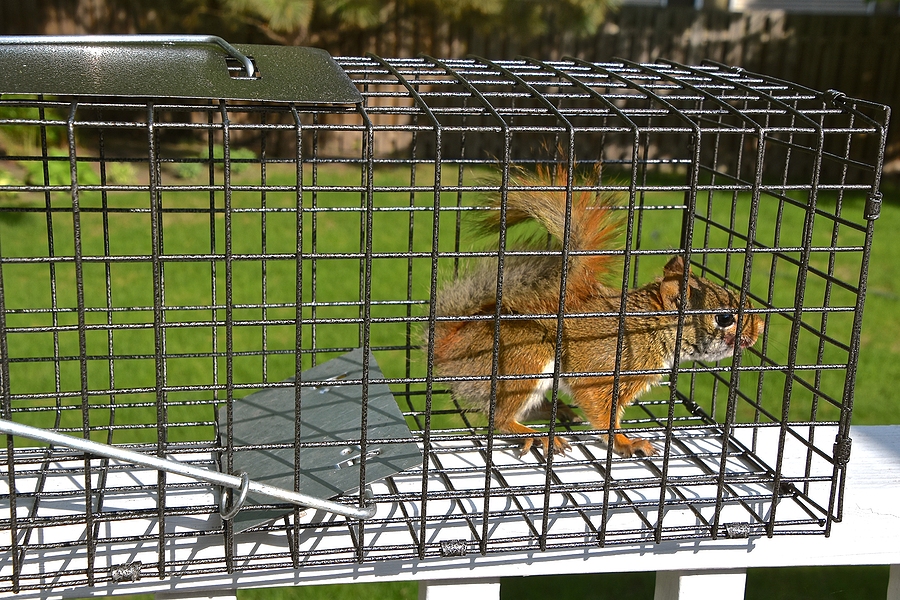
For example, a homeowner may legally trap a raccoon that’s damaging their attic under these conditions. However, trapping a healthy animal simply because it’s passing through the backyard may not qualify for the same exemption.
If you’re unsure whether trapping is permitted, Trapper Joe’s Wildlife Control provides professional animal trapping and removal services throughout the Indianapolis area.
Which Animals Can You Legally Trap in Indianapolis?
Indiana trapping regulations vary by species. Some nuisance animals can be captured without a state permit under certain conditions, while others require special authorization.
| Animal | Indiana trapping rules |
| Raccoons | No state permit required for qualifying nuisance situations on property you own or rent |
| Gray and fox squirrels | No state permit required when causing damage or posing a qualifying safety threat |
| Skunks and opossums | No state permit required under qualifying nuisance conditions |
| Groundhogs | May be captured year-round without a DNR permit or hunting/trapping license |
| Mice, Norway rats, moles, shrews, voles, and red squirrels | May be captured year-round without a DNR permit or hunting/trapping license |
| Coyotes | Landowners may trap them year-round on their private property without a DNR permit or hunting/trapping license |
| Rabbits | Subject to rabbit-season regulations or nuisance wildlife permit requirements |
| Bats | Limited exemptions apply; larger removals generally require a permit or qualified wildlife control operator |
| Canada geese, hawks, and owls | Protected under federal law; special permits generally required outside authorized hunting activities |
Additional species, including beavers, muskrats, mink, red and gray foxes, and long-tailed weasels, also qualify for Indiana’s nuisance wildlife exemption when its conditions are met.
Important: These are state-level rules. Trapping methods must also comply with Indianapolis ordinances and other applicable regulations.
What Are Indiana’s Rules for Relocating Trapped Wildlife?
Capturing an animal is only part of the process. Indiana also regulates how certain nuisance animals must be handled afterward.
For the species covered by the state’s resident landowner and tenant nuisance exemption:
- The animal must be released or humanely euthanized within 24 hours of capture.
- Relocation must occur within the same county where the animal was captured.
- You must obtain permission from the landowner or property manager at the release location.
- Captured wildlife cannot be sold, traded, bartered, or given away.
For Indianapolis homeowners, this means you generally cannot trap a raccoon in Marion County and relocate it to a park or wooded property in Hamilton County. Releasing wildlife without permission is also prohibited under these rules, even if the release site appears suitable. Relocation can create additional problems by spreading disease, introducing animals into unfamiliar environments, or transferring the nuisance to another property.
Before setting a trap, make sure you have a lawful plan for handling the captured animal. If you don’t, professional removal is often the safer choice.
Are There Special Trapping Rules for Bats and Birds?
Certain wildlife species require additional precautions because of conservation laws, public health concerns, or breeding behavior.
Bat Removal in Indianapolis
Indiana allows an individual to take up to five bats within a 24-hour period from a dwelling when they pose a demonstrable but nonimmediate human safety threat, without a state permit. Other circumstances and larger bat removal jobs generally require appropriate authorization or a licensed bat removal service. However, trapping bats is usually not the preferred approach. Proper bat exclusion allows them to leave a building through one-way devices without returning.
Timing is important. Removing bats during the summer maternity period can leave flightless young trapped inside an attic or wall. Homeowners should also avoid handling bats directly. If a bat bites or scratches someone, seek medical advice promptly about possible rabies exposure.
Protected Birds and Nests
Many birds commonly found around Indianapolis are protected by state or federal regulations. Canada geese, hawks, owls, vultures, and many other native birds generally cannot be captured or harmed without applicable authorization outside regulated hunting activities.
Some nonnative birds, including European starlings, house sparrows, feral pigeons (excluding homing pigeons), and monk parakeets, may be taken without a DNR permit under applicable rules.
Because bird protection laws can also apply to nests and eggs, identify the species and confirm the requirements before attempting bird removal.
Can Someone Else Trap Animals on Your Property?
Indiana permits a resident landowner or tenant to designate another person to capture certain qualifying nuisance animals without a state nuisance wildlife permit when:
- The property owner or tenant provides written permission.
- The designated person carries that permission while taking the animal.
- The person receives no compensation of any kind for the work.
Different licensing and permit requirements apply to individuals providing paid wildlife control services. If you hire a wildlife removal company, choose an appropriately permitted operator familiar with Indiana regulations, local restrictions, and species-specific handling requirements.
Is DIY Wildlife Trapping Safe?
Although trapping some nuisance animals yourself may be legal, it isn’t always practical or safe. Wild animals can bite, scratch, or carry diseases. Raccoons and skunks can present rabies exposure concerns, while improper trap placement can put pets and other animals at risk.
Other common problems include:
- Capturing the wrong animal or a neighbor’s pet.
- Separating nursing mothers from their young.
- Using an inappropriate trap or trapping method.
- Failing to monitor a trap frequently enough.
- Having no lawful location to release the animal.
- Removing wildlife without addressing the entry point or food source that attracted it.
Indianapolis animal trapping provisions also address humane capture methods and trap inspection. Lawful traps must be inspected and emptied at least once every 24 hours, and additional state requirements may apply.
If an animal is aggressive, injured, or trapped inside an occupied part of your home, avoid attempting to handle it yourself.
When Should You Hire a Professional Wildlife Trapper?
Professional animal trapping is particularly valuable when wildlife has entered your home, is repeatedly damaging your property, or requires specialized removal methods.
Consider hiring a wildlife control professional when you notice:
- Raccoons in the attic: Scratching noises, damaged insulation, droppings, or torn roof vents.
- Squirrels in the walls: Daytime scampering, chewed openings, or nesting materials near the roofline.
- Skunks beneath a deck or shed: Persistent odors, burrows, or repeated activity around the foundation.
- Groundhogs damaging your yard: Large burrow entrances near landscaping, sheds, or other structures.
- Bats inside your home: Evening activity near roof openings, attic noises, or droppings below roosting areas.
Simply capturing the animal may not solve the underlying problem. If entry points remain open or attractants aren’t addressed, other animals can move into the same location.
How Can You Prevent Wildlife From Returning?
Long-term wildlife control goes beyond setting traps. Once the animals have been safely removed and any dependent young have been accounted for, take steps to make your property less attractive and accessible.
- Seal entry points: Repair openings around soffits, roof vents, foundations, and exterior walls after confirming animals are no longer inside.
- Secure trash and food: Use tightly closed garbage containers, avoid leaving pet food outdoors, and clean up fallen birdseed.
- Protect vulnerable structures: Reinforce accessible openings beneath decks, sheds, and porches where animals may establish dens.
- Maintain your property: Trim vegetation that provides easy roof access and address conditions attracting rodents or other prey.
Professional wildlife exclusion and repairs can help reduce the likelihood of repeat infestations.
Frequently Asked Questions About Animal Trapping in Indianapolis
Do I need a permit to trap a raccoon on my property in Indianapolis?
Generally, no. Indiana allows resident homeowners and tenants to capture raccoons without a state permit when they’re causing or threatening property damage or posing a health or safety threat. Local trapping restrictions and the state’s animal handling requirements still apply.
Can I trap squirrels in my attic?
Yes, gray squirrels and fox squirrels fall under Indiana’s qualifying nuisance wildlife exemption. However, trapping squirrels without locating their entry points or checking for dependent young can lead to additional problems.
Can I relocate a trapped animal to another county?
Not under Indiana’s standard landowner nuisance trapping exemption. Animals covered by that exemption must be released in the county where they were captured, with permission from the receiving property owner or manager.
Can I legally trap a groundhog in Indianapolis?
Indiana allows groundhogs to be captured year-round without a DNR permit or hunting/trapping license. However, homeowners must still follow local ordinances governing trapping methods and animal welfare.
Will Indianapolis Animal Care Services remove wild animals from my property?
Indianapolis Animal Care Services primarily handles domestic animal-related services and public animal welfare concerns. For routine nuisance wildlife trapping and removal, property owners should contact an appropriate wildlife control professional.
What is the best way to get rid of nuisance animals permanently?
The most effective long-term approach combines appropriate wildlife removal with exclusion, repairs, and attractant reduction. Trapping alone may not prevent another animal from entering the same area.
Need Professional Animal Trapping in Indianapolis? Contact Trapper Joe’s
You may be legally allowed to trap certain animals on your Indianapolis property, but doing it correctly requires understanding the species, applicable regulations, and safe removal methods.
If raccoons, squirrels, skunks, groundhogs, or other nuisance wildlife are damaging your home or property, Trapper Joe’s Wildlife Control can help. We provide professional wildlife trapping and removal services for residential and commercial properties throughout Greater Indianapolis, with an emphasis on humane methods and practical solutions.
Don’t let unwanted wildlife cause more damage or turn a manageable problem into a recurring infestation. Contact Trapper Joe’s Wildlife Control to request professional animal trapping and removal in Indianapolis.
Related Posts:
Top 5 Wildlife Pests in Indianapolis and How to Manage Them
The Hidden Dangers of DIY Dead Animal Removal
10 Signs of a Wildlife Problem in Your Indianapolis Home