Water pooling where it shouldn’t. Trees gnawed down to jagged stumps. A dam of sticks and mud slowly rerouting the creek behind your house. If this sounds familiar, beavers have likely moved in.
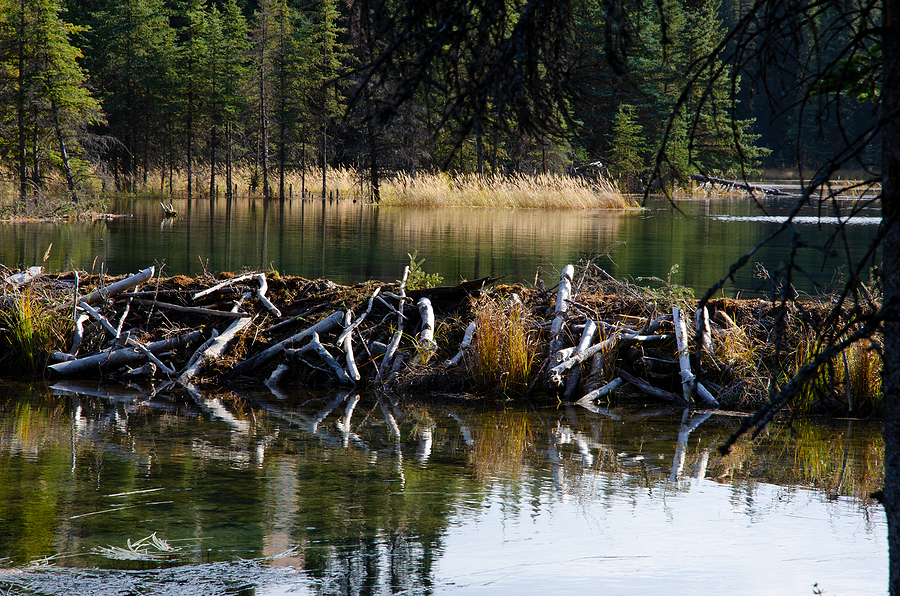
Beaver dams can flood basements, saturate septic systems, and damage timber before most property owners even notice the problem. Left unchecked, a single dam can raise water levels enough to compromise foundations and destroy landscaping within weeks.
This guide walks through how to spot active beaver activity, what to do first, your removal options, and the legal rules that apply before you act.
What Causes Beaver Dams on Your Property
Beavers seek out slow-moving streams, ponds, and creeks lined with soft woods like willow, poplar, and aspen. These conditions give them everything they need: building material, food, and a place to raise young safely away from predators.
If your property backs onto a waterway with mature trees, you’re offering exactly what a beaver family is looking for. Once a pair settles in, they can build a functional dam in a matter of days.
Signs of Active Beaver Activity
Watch for these indicators:
- Cone-shaped, gnawed tree stumps near water
- Fresh wood chips or shavings scattered on the ground
- A visible dam of sticks, mud, and branches across a stream or drainage path
- Rising or stagnant water where it didn’t pool before
- A lodge (a large mound of sticks and mud) in or near the water
Immediate Actions to Take
Prioritize Safety First
Don’t approach the dam or attempt to dismantle it yourself. Water behind a beaver dam can be deeper and more unstable than it looks, and disturbing the structure can trigger a sudden release of water downstream. If children or pets use the yard, keep them away from the area until the situation is resolved.
Manage Water Levels
If flooding is already affecting your property, a temporary flow device—sometimes called a beaver deceiver or pond leveler—can help drain excess water through the dam without removing it outright. This buys time while you arrange a permanent solution.
Document the Damage
Take photos and videos of flooding, downed trees, and any structural damage. This documentation supports insurance claims and gives a wildlife control operator a clear picture of the scope of the problem before they arrive.
Beaver Removal Options
Professional Removal Services
Beavers rebuild dams overnight, often faster than a homeowner can tear them down. Removing the dam without addressing the beaver rarely solves the problem for long. A wildlife control operator will typically trap and relocate or remove beavers first, then safely dismantle the dam to restore normal water flow.
This is the most reliable path if you’re dealing with an active lodge, significant flooding, or a beaver family that keeps returning.
DIY Deterrent Methods
For smaller or early-stage problems, a few DIY steps can help:
- Fencing: Wrap valuable trees in galvanized wire mesh or hardware cloth, extending it at least three feet up the trunk.
- Habitat modification: Clear brush and fallen branches near the water’s edge to make the area less appealing as building material.
- Plant selection: Favor trees beavers tend to avoid, such as red maple or black locust, when replacing damaged landscaping.
These methods work best as a deterrent before beavers fully establish a lodge, not as a fix once a colony is active.
Legal Considerations
Beaver management laws vary by state, so check your local regulations before taking action. In Indiana, for example, property owners may trap or remove nuisance wildlife causing damage on their own land without a permit under IC 14-22-6-3. That said, beaver work is regulated closely enough that hiring a DNR-registered operator is strongly recommended—and in many cases, effectively necessary, since trapped animals typically cannot be relocated and must be handled according to state law.
Before attempting removal on your own, confirm what’s permitted in your area. A licensed operator will already know the rules and can act legally and effectively on your behalf.
Long-Term Prevention Strategies
Once the immediate problem is resolved, a few ongoing habits will keep beavers from coming back:
- Monitor regularly: Check waterways on your property every few weeks, especially after heavy rain.
- Maintain flow devices: If a pond leveler was installed, inspect it seasonally to make sure it’s still functioning.
- Adjust your landscaping: Keep water-loving hardwoods trimmed back from the water’s edge, and replace vulnerable trees with beaver-resistant species over time.
Frequently Asked Questions
How long does beaver dam removal take?
Most professional removals take one to a few visits, depending on the size of the dam and whether a lodge is present. Simple dams can sometimes be cleared in a single day.
Will beavers return to my property?
Beavers are territorial and often return to the same waterway if the habitat remains attractive. Ongoing monitoring and habitat modification significantly reduce the odds of a repeat visit.
Is beaver removal expensive?
Costs vary based on the size of the dam, the number of beavers involved, and whether flow devices are needed. A phone consultation with a local wildlife control operator is the fastest way to get an accurate estimate for your property.
Can I remove a beaver dam myself?
You can take preventive steps like fencing and habitat modification, but full dam removal is best left to a professional. Beavers rebuild quickly, and mishandling a dam can cause sudden flooding.
Get Expert Help Before the Damage Spreads
A beaver dam rarely stays the same size for long. What starts as a small pool of water can turn into a flooded yard, a damaged septic system, or a collapsed foundation within weeks.
If you’re dealing with beaver activity on your Indianapolis-area property, Trapper Joe’s offers expert beaver removal and control services built to handle the problem at its source. Contact us today for a consultation and put an end to the damage for good.
Related Posts:
Animal-Proof 101: Things That Attract Nuisance Wildlife to Your Property
Wildlife-Proofing Your Home: Tips for Every Season
Top 5 Wildlife Pests in Indianapolis and How to Manage Them