
A lush, healthy lawn can turn into a maze of ridges and dirt mounds seemingly overnight, and moles are usually the culprit. These small, tunneling mammals may seem harmless, but their underground activity can wreak havoc on your grass, garden beds, and peace of mind.
The good news? Early identification makes all the difference. Catching mole activity before it spreads can save you from costly lawn repairs and months of frustration. In this guide, we’ll walk through the telltale signs of a mole problem, explain why these critters choose your yard in the first place, and cover the most effective removal and prevention strategies available today.
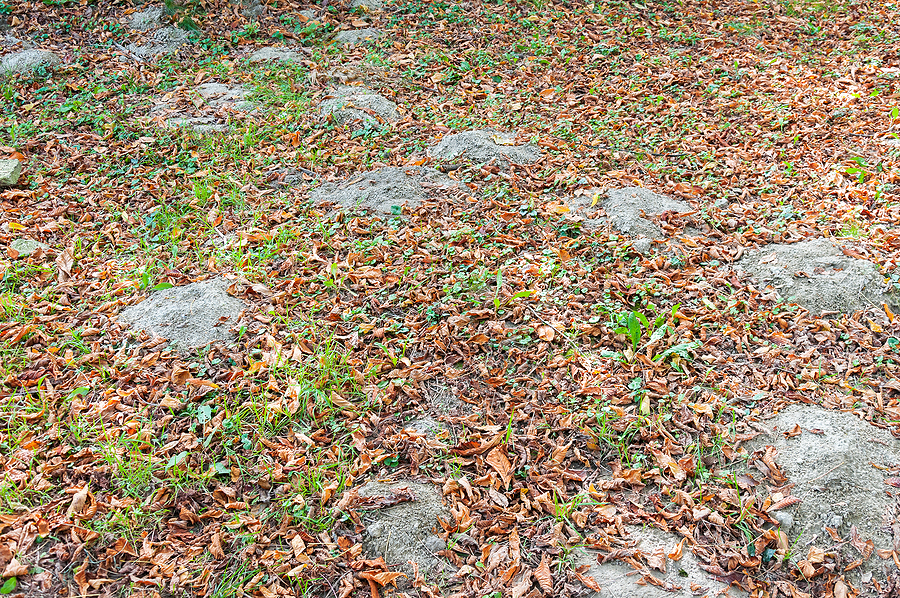
Signs Your Lawn Has Moles
Moles spend nearly all their time underground, so you’re unlikely to spot the animal itself. Instead, you’ll notice the aftermath of their tunneling.
Raised Tunnel Ridges
The most distinctive sign of mole activity is a raised ridge of soil snaking across your lawn. These ridges form as moles dig shallow surface tunnels while foraging for food. Unlike other lawn pests, moles are the only animal that leaves this specific type of surface ridge, making it a fairly reliable indicator.
Mole Hills or Dirt Mounds
Cone-shaped mounds of coarse soil, often called molehills, are another giveaway. These form when a mole digs a deeper, permanent tunnel and pushes excess dirt up through a vertical shaft, much like a small volcano. Unlike pocket gophers, which build multiple mounds of finely sifted soil, moles typically create just a few mounds made of clumpier earth.
Soft, Spongy Patches of Grass
Walk across your lawn and notice any areas that feel unusually soft or bouncy underfoot? That spongy texture is often caused by air pockets left behind from tunneling just beneath the surface.
Dead or Dying Plants
Moles rarely eat plant roots directly, but their tunneling can disturb root systems enough to cause grass and plants to brown, wilt, or die. If you notice unexplained dead patches near tunnel ridges, moles are likely to blame.
Why Moles Invade Your Yard
Moles don’t move into your lawn out of spite. They’re drawn there for very specific reasons.
Abundant food sources. Moles have enormous appetites, consuming 70 to 80 percent of their body weight in food every day. Their preferred menu includes earthworms and white grubs, both of which thrive in healthy, well-watered lawns.
Loose, workable soil. Moles favor moist, sandy loam soil because it’s easier to tunnel through. They tend to avoid dry, compacted clay, so a well-irrigated lawn can inadvertently become prime mole real estate.
Nearby habitat. Yards close to wooded areas, open fields, or overgrown lots often see more mole activity, since these spaces provide additional shelter and food sources that support larger mole populations.
Effective Mole Removal Methods
Once you’ve confirmed mole activity, it’s time to act. Here are the most effective approaches, ranked by reliability.
Trapping
Trapping is widely considered the most successful method for removing moles. Three trap styles dominate the market: harpoon traps, scissor-jawed traps, and choker-loop traps. Each is designed to spring when a mole pushes through a disturbed tunnel, taking advantage of the animal’s instinct to repair its burrow.
For best results, outsource mole trapping services in the spring or fall along active runways—typically the straight tunnels or those running along your yard’s perimeter. To confirm a runway is active, poke a small hole in it. If a mole repairs the damage within a day or two, that’s your spot. If a trap doesn’t produce results after two days, relocate it to a new stretch of tunnel.
Grub Elimination
Since white grubs are a favorite mole food, removing this food source can encourage moles to move elsewhere. The most effective window for grub-targeted insecticide applications is mid-June to mid-July. Keep in mind that even a grub-free lawn can still attract moles if earthworms remain abundant.
Castor Oil and Natural Repellents
Repellents containing castor oil work by making the soil taste and smell unappealing to moles. While not a guaranteed fix, many homeowners use these products as a first line of defense, reapplying monthly during periods of peak mole activity.
Professional Removal Services
For persistent or widespread infestations, professional wildlife control can offer a faster, more thorough solution. Costs typically range from $100 to $550, depending on the extent of the infestation and the removal method used, with many services averaging $300 to $400 for trapping and relocation over several days.
Prevention Tips for the Future
Removing existing moles is only half the battle. These practices can help keep your lawn mole-free long term.
Maintain Proper Lawn Care and Drainage
Since moles favor moist soil, avoid overwatering your lawn. Most grass only needs about one inch of water per week from rainfall or irrigation combined. Drier soil is naturally less inviting to both moles and the earthworms they hunt.
Reduce Grub Populations
Scheduling grub control treatments during the mid-June to mid-July window helps limit one of the moles’ primary food sources before populations take hold.
Install Underground Barriers
For garden beds or high-value landscaping, consider burying galvanized hardware cloth with quarter-inch mesh at least two feet underground. This creates a physical barrier that moles can’t easily tunnel past.
Monitor Regularly
Walk your lawn periodically to check for early ridges or mounds. Catching new activity early makes intervention faster and far less disruptive to your landscaping.
Frequently Asked Questions
How long does it take to remove moles?
Timelines vary depending on the method and infestation size. Trapping can produce results within a few days if placed correctly on active runways, while professional services often work over the course of several days to fully clear an infestation.
Are moles dangerous to pets or children?
Moles themselves aren’t aggressive and pose little direct threat to pets or children. However, some mole baits contain chemicals like zinc phosphide, which can be toxic if ingested. If you use bait products, cover access points securely and store any leftover product safely out of reach.
Can I remove moles myself, or should I hire a professional?
DIY methods like trapping and repellents work well for minor, isolated mole activity, especially with some patience. For large lawns, recurring infestations, or if digging in is not your idea of a weekend project, a professional service can offer faster, more reliable results.
What’s the cost of professional mole removal?
Professional mole removal generally costs between $100 and $550, with many trapping and relocation services averaging $300 to $400 depending on your yard’s size and the severity of the infestation.
Take Back Your Lawn Today
Mole activity doesn’t have to mean months of frustration or a torn-up lawn. With the right combination of identification, targeted removal, and ongoing prevention, you can restore your yard to its former glory and keep it that way.
If mole activity has taken over your Indianapolis property, the team at Trapper Joe’s is ready to help. Request an on-site quote today and let our experienced technicians create a removal plan tailored to your lawn.
Related Posts:
Animal-Proof 101: Things That Attract Nuisance Wildlife to Your Property
Top 5 Wildlife Pests in Indianapolis and How to Manage Them
Why Your Home Needs Professional Wildlife Control Services