You walk out to your backyard to grab the lawnmower, only to discover a massive pile of fresh dirt next to your shed. Upon closer inspection, you see a hole large enough to roll a basketball into. The culprit? Likely a groundhog (also known as a woodchuck).
While these furry rodents might look harmless waddling across a field, a groundhog taking up residence under your shed is a serious structural threat. Groundhogs are nature’s excavators, capable of moving over 700 pounds of dirt to create a single burrow. When that digging happens directly beneath a foundation, it can lead to cracking, sinking, and costly repairs.
If you suspect you have an uninvited tenant, don’t panic. With the right approach, you can manage the situation humanely and effectively. This guide covers how to identify the problem, encourage the animal to leave, and prevent them from ever coming back.
TL;DR:
- The Risk: Groundhogs can compromise the structural integrity of your shed foundation through extensive burrowing.
- Identification: Look for large holes (10-12 inches wide) with mounds of dirt, usually near the structure’s edge.
- Removal: Humane harassment and exclusion are often better than trapping.
- Prevention: Installing an L-shaped barrier of hardware cloth is the gold standard for keeping them out.
Key Takeaways:
- Understanding groundhog behavior, such as their hibernation cycles, is crucial for effective management.
- Humane methods are not only ethical but often more effective for long-term control.
- Professional services ensure safe handling and compliance with local wildlife laws, particularly in Indiana.
Table of Contents:
- Introduction to Groundhog Problems
- Identifying Groundhog Activity
- Humane Removal Strategies
- Professional Trapping and Relocation
- Preventing Future Groundhog Issues
- FAQ Section
- Quick Recap
- Conclusion
Introduction to Groundhog Problems
For many homeowners, the shed is a critical storage space for tools, equipment, and seasonal items. However, for a groundhog (a.k.a. woodchuck), the space beneath a shed floor represents the perfect roof for a den. It offers protection from predators like coyotes and hawks, stays dry during rainstorms, and is often close to a food source—your garden.
The problem isn’t just the animal’s presence; it’s their architecture. A groundhog burrow is a complex system of tunnels and chambers that can extend up to 45 feet. When these tunnels run directly under a concrete slab or wooden floor, they remove the soil supporting the structure. Over time, this causes the shed to lean, the floor to warp, or the foundation to crack entirely. Addressing the issue early is the only way to minimize damage.
Identifying Groundhog Activity
Before you start planning an eviction, you need to confirm that a groundhog is indeed the problem. Skunks, raccoons, and opossums also like to live under structures, but the signs of a groundhog are distinct.
What Are the Signs of Groundhogs Under My Shed?
The most obvious sign is the burrow entrance. Groundhog holes are typically 10 to 12 inches in diameter. Unlike other animals that might leave a clean hole, groundhogs leave a large mound of excavated soil right next to the main entrance—this is their “front door.”
You should also look for:
- Secondary exits: Groundhogs always dig escape routes. These holes are usually well-hidden in nearby brush and do not have mounds of dirt next to them.
- Gnaw marks: Groundhogs are rodents, meaning their teeth never stop growing. You may see fresh chewing on the lower wood of your shed or door frames.
- Flies: Groundhogs are generally clean animals that create specific “toilet chambers” underground. However, if the den is shallow or active, you may notice an increase in flies around the shed.
Why Are Groundhogs Attracted to Sheds?
In the wild, groundhogs prefer to dig burrows in areas with good drainage and overhead protection. A raised shed with a dirt floor or a concrete slab with a gap underneath mimics the ideal natural habitat—a sturdy rock overhang or a dense root system. It provides immediate security from aerial predators and creates a stable temperature for raising young or hibernating during the winter.
Humane Groundhog Removal Strategies
Once you’ve confirmed a groundhog is the culprit, the goal is to convince them that your shed is no longer a desirable place to live.
How Can I Encourage Groundhogs to Leave on Their Own?
“Hazing” or “harassment” techniques rely on the groundhog’s natural instincts. They want a quiet, safe, dark place. By making the environment loud, bright, and smelly, you can often force them to relocate voluntarily.
- Scent Deterrents: Groundhogs have sensitive noses. Soaking rags in ammonia or using commercial predator urine (like coyote urine) placed near the burrow entrance can signal danger.
- Motion and Sound: Place a battery-operated radio near the entrance and leave it on a talk-radio station. The sound of human voices is a strong deterrent. Motion-activated sprinklers can also startle them when they emerge to forage.
- Used Kitty Litter: Pouring used kitty litter near the entrance introduces the scent of a potential predator, making the groundhog feel unsafe.
Note: Never seal a burrow until you are 100% certain the animal is out. Sealing a groundhog inside is inhumane and can lead to a rotting carcass under your shed.
Are There Any Humane Trapping Methods?
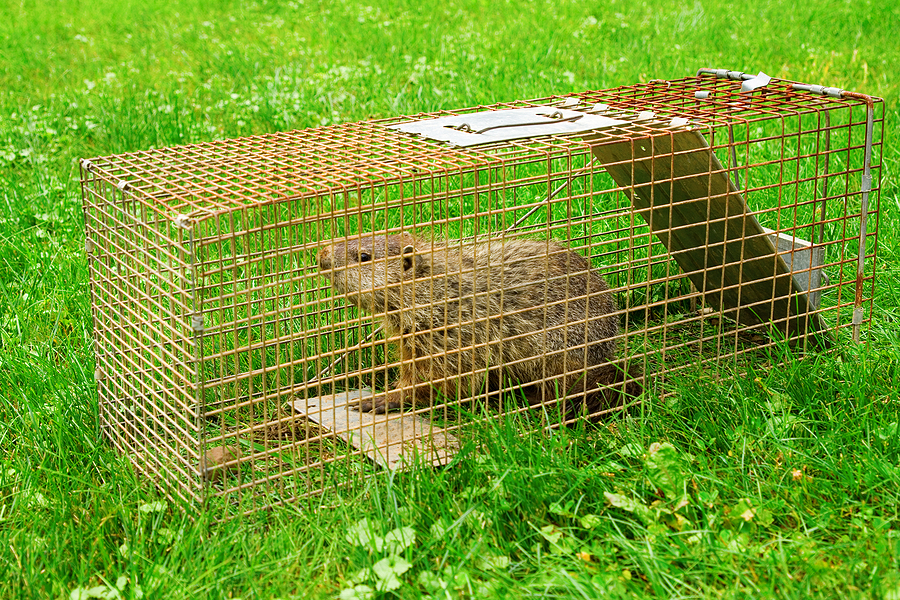
If deterrents fail, live trapping is the next step. Live groundhog trapping should only be performed by licensed wildlife control operators. Indiana has strict regulations regarding the handling, trapping, and relocation of wildlife, including groundhogs. These laws are designed to ensure both the safety of humans and the humane treatment of animals.
Professional Groundhog Trapping and Relocation
While DIY methods can work, groundhogs are tenacious. They are strong diggers and can become aggressive if cornered. This is where professional intervention is often the safest route.
Why Should I Consider Professional Help?
There are legal and safety complexities regarding wildlife removal. For example, in Indiana, you do not need a permit to trap a nuisance groundhog on your own property. However, legal relocation is strict: you must have written permission from the landowner where you release the animal, and the release site must be within the same county where it was captured. Furthermore, possession of the animal is usually limited to 24 hours.
Professionals understand these regulations perfectly. They also minimize the risk of disease transmission (such as roundworm or rabies) and injury from bites.
What Does Professional Groundhog Removal Involve?
A professional service offers a comprehensive solution:
- Inspection: Identifying all burrow entrances, including the hidden escape holes.
- Trapping: Using professional-grade traps and specific baits to capture the animal quickly.
- Removal: Safe transport and ethical release or handling according to state laws.
- Exclusion: The most important step—installing barriers to ensure no other animal moves into the vacant apartment under your shed.
Preventing Future Groundhog Issues
Removing the groundhog is only half the battle. If you don’t modify the habitat, another one will simply move in next season.
How Can I Make My Property Less Attractive to Groundhogs?
Start by tidying up the landscape. Groundhogs are prey animals; they hate crossing open spaces where they are visible.
- Trim back tall grass and weeds around the shed.
- Remove brush piles or woodpiles near the structure.
- Pick up fallen fruit from trees and harvest your garden vegetables as soon as they are ripe.
What Physical Barriers Can I Use?
The only foolproof way to keep groundhogs out is an exclusion fence, specifically the “L-shaped footer.”
- Dig a trench around the base of your shed, roughly 12 inches deep and 12 inches wide.
- Purchase 1/2-inch hardware cloth (wire mesh).
- Fasten the top of the mesh to the bottom of your shed.
- Run the mesh down into the trench and bend it 90 degrees outward (away from the shed), creating an “L” shape.
- Refill the trench with dirt.
When a groundhog tries to dig back under the shed, they will dig down, hit the wire mesh, and be unable to get through.
FAQ Section
Is It Safe to Handle Groundhogs Myself?
Generally, no. While groundhogs are not typically aggressive, they will defend themselves fiercely if trapped or cornered. They have large incisors that can inflict serious injuries. Additionally, while rare, they can carry rabies, and their parasites (ticks and fleas) can transmit diseases to humans and pets. Always wear thick leather gloves if you must handle a trap, and never touch the animal directly.
When Is the Best Time to Remove Groundhogs?
The ideal time for exclusion or removal is late summer or early fall. By this time, the babies born in the spring are old enough to survive on their own, so you don’t risk orphaning them. It is also before the ground freezes and before they enter deep hibernation for the winter (usually starting in October or November in Indiana).
What Should I Do with a Trapped Groundhog?
If you trap a groundhog yourself, you cannot simply release it at a nearby park or roadside. In many jurisdictions, including Indiana, releasing animals on public land is illegal without a permit. You must find private land, get permission, and transport the animal safely. If you are unsure, contact a local wildlife rehabilitator or a pest control professional.
Quick Recap:
- Inspect: Look for large mounds of dirt and holes 10-12 inches wide.
- Harass: Use scent and sound to encourage them to move out voluntarily.
- Trap: If necessary, hire professionals to set live traps.
- Exclude: Install an L-shaped wire mesh barrier buried underground to prevent re-entry.
- Consult: When in doubt, call a professional to handle removal safely and legally.
Conclusion
A groundhog under your shed is more than a nuisance; it’s a slow-motion demolition crew working on your foundation. While their digging is impressive, it has no place under your property. By identifying the signs early and using humane removal strategies, you can reclaim your yard without causing unnecessary harm to the animal.
Remember that removal is temporary, but prevention is permanent. Taking the time to install proper exclusion barriers will ensure your shed remains standing—and groundhog-free—for years to come.
If you’re in Indianapolis or surrounding counties and need humane groundhog trapping and removal, contact us today for a consultation. Let us handle the dirty work so you can get back to enjoying your backyard.
Related Post: Animal-Proof 101: Things That Attract Nuisance Wildlife to Your Property