Muskrats can turn a healthy pond shoreline into a maintenance problem surprisingly quickly. By digging tunnels into pond banks, dams, and embankments, these semi-aquatic rodents can contribute to erosion, muddy water, leaks, soft spots, and sections of shoreline that begin to collapse.
If you own a pond in Indianapolis or Central Indiana, the goal is not simply to remove the muskrats you see. You also need to identify active burrows, address the conditions attracting them, and protect vulnerable banks so the problem does not immediately return.
Here’s how to recognize muskrat activity and what you can do about it.
How Do You Know If Muskrats Are Living in Your Pond?
You may rarely see the animals themselves. Muskrats are often most active around dusk, at night, and early in the morning. Instead, look for evidence along the shoreline.
Common signs include:
- Holes or burrow entrances near or below the waterline
- Soft or collapsing sections of pond bank
- Muddy water concentrated near the shoreline
- Trails or slides leading into the water
- Cut or partially eaten aquatic vegetation
- Floating piles of plant material
- Small droppings near rocks, logs, or feeding areas
- Persistent leaks or wet areas near an earthen pond dam
Muskrat burrows commonly begin underwater and extend upward into dry chambers inside the bank. That makes the damage easy to overlook until the soil above a tunnel begins to sink or collapse.
Why Are Muskrats a Problem for Ponds?
Muskrats naturally dig into shorelines to create shelter. In a natural wetland, that behavior is simply part of the ecosystem. In a residential pond, farm pond, retention pond, or managed lake, the same behavior can become expensive.
The greatest concern is typically burrowing into earthen banks and dams.
Repeated tunneling can weaken the soil, encourage erosion, create leaks, and leave hidden voids beneath the surface. A shoreline may look relatively normal from above even while tunnels are developing underneath it.
Muskrat activity can be particularly concerning around:
- Pond dams
- Narrow embankments
- Drainage structures
- Culverts
- Retention ponds
- Golf course ponds
- HOA lakes
- Farm ponds
If you notice sinking soil, unexplained leakage, or substantial damage to an earthen dam, the problem may require more than animal removal. A qualified pond, dam, or excavation professional may also need to evaluate the structure.
Muskrat or Beaver? How to Tell the Difference
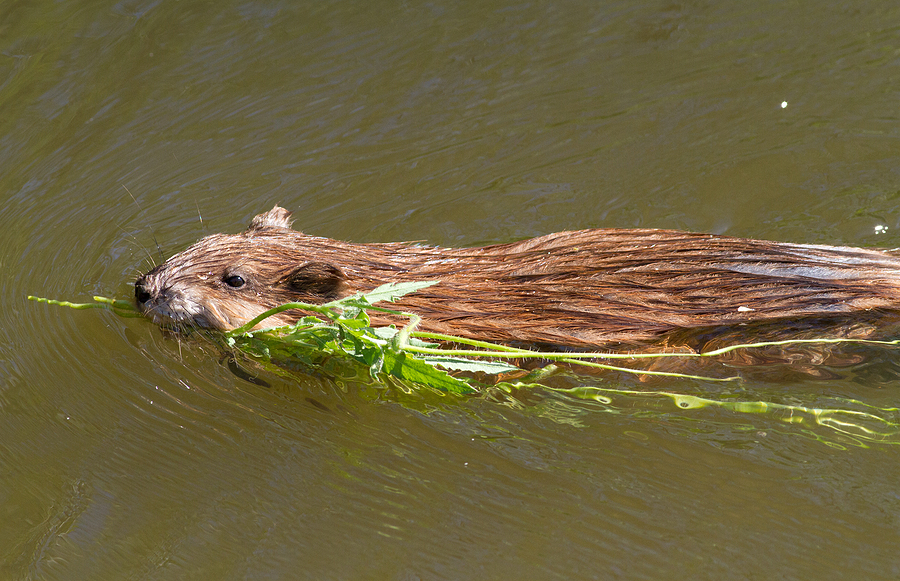
Muskrat and beaver damage can sometimes look similar because both animals live around water. Muskrats are considerably smaller than beavers and have a narrow, vertically flattened tail rather than the broad paddle-shaped tail associated with beavers.
The damage is also different:
- Muskrats are more commonly associated with shoreline burrows, tunnels, feeding platforms, and aquatic vegetation damage.
- Beavers are more likely to leave gnawed or felled trees, large branches, constructed dams, and obvious changes in water levels.
Knowing which animal you have matters because the best control strategy is different for each species.
How to Get Rid of Muskrats From a Pond
Once muskrats have established active burrows, changing the habitat alone may not solve the immediate problem. Existing animals generally need to be removed before permanent shoreline repairs are made.
Identify Active Burrows and Travel Areas
Start by inspecting the entire shoreline rather than concentrating only on the first hole you find. Muskrats may use multiple entrances, feeding areas, and travel routes. Missing part of the active system can make it appear that a problem has been solved when animals are still using another section of the pond.
Pay particular attention to:
- Pond dams
- Areas with dense cattails or aquatic vegetation
- Soft banks
- Culverts and drainage structures
- Shoreline areas showing fresh slides or disturbed mud
Use Proper Muskrat Trapping and Removal
Trapping is one of the established methods for controlling muskrats that are causing pond damage. Indiana allows qualifying resident landowners and tenants to capture muskrats without a permit on property they own or rent when the animals are causing or threatening property damage or creating a health or safety concern. State rules also govern how captured nuisance wildlife must be handled.
Local regulations can apply in addition to Indiana wildlife rules, which is one reason many Indianapolis property owners choose a professional wildlife control service rather than attempting removal themselves.
Repair Burrows After the Muskrats Are Removed
Removing the animals without addressing their tunnels leaves the damaged shoreline vulnerable. Once active muskrats have been removed, affected burrows and runs should be evaluated, filled where appropriate, and monitored for renewed activity.
If a pond dam has been extensively tunneled or is leaking, simply filling the visible entrance may not correct the underlying structural problem.
How to Keep Muskrats From Coming Back
Successful muskrat control should include prevention as well as removal.
Reinforce Vulnerable Shorelines With Stone
Riprap can discourage muskrats from digging into pond banks and dams while also providing protection from shoreline erosion. The stone needs to cover the area where muskrats normally begin their burrows rather than simply being placed along the visible top edge of the bank.
For ponds with recurring problems, reinforcement is often most valuable around dams and other sections where burrowing could cause significant damage.
Manage Excessive Shoreline Vegetation
Muskrats feed heavily on aquatic vegetation and are attracted to ponds that provide abundant food and cover. You do not necessarily need to eliminate all vegetation. However, controlling dense stands of cattails and similar plants around problem areas can make the shoreline less attractive and easier to inspect for new activity.
Inspect Your Pond Regularly
Early detection can prevent a small burrow from developing into extensive shoreline damage.
Walk the pond periodically and look for:
- New holes
- Fresh slides
- Cloudy water near the bank
- Newly disturbed soil
- Sinking areas
- Unexplained leakage
- Freshly cut vegetation
- Pay particularly close attention to an earthen dam.
Consider a Winter Pond Drawdown When Appropriate
For ponds where the water level can safely be controlled, lowering the water during winter may help discourage muskrats and expose burrows that were previously underwater.
Indiana DNR specifically notes that drawing a pond down at least two feet below its normal level during winter can encourage muskrats to leave. Afterward, burrows and runs can be addressed and vulnerable areas reinforced.
A drawdown is not appropriate for every pond, so consider the pond’s design, fish population, drainage system, and other management needs before substantially altering the water level.
Is It Legal to Remove Muskrats in Indiana?
Indiana classifies muskrats among the small mammals that qualifying resident landowners and tenants may capture without a permit on property they own or rent when the animal is causing or threatening property damage or posing a health or safety threat.
State rules also require captured nuisance animals to be released or euthanized within 24 hours. If released, the animal must remain within the county where it was captured and permission must be obtained from the owner or manager of the receiving property.
Anyone planning DIY removal should check the current Indiana DNR requirements as well as applicable local ordinances before beginning. Professional animal trappers handle these regulatory requirements as part of their work.
When Should You Call a Professional Muskrat Removal Company?
One isolated burrow is different from an established population tunneling throughout a pond bank or dam.
Professional muskrat control makes particular sense when:
- You find multiple active burrows.
- A pond bank is beginning to collapse.
- Muskrats are tunneling into an earthen dam.
- Your pond is losing water.
- The problem keeps returning.
- The pond belongs to an HOA, commercial property, golf course, or farm.
- You are unsure how to legally trap or handle the animals.
- You need help determining where active burrow systems are located.
A professional can address the active animals while also helping identify the areas most vulnerable to continued damage.
Professional Muskrat Removal in Indianapolis
Trapper Joe’s Wildlife Control provides muskrat trapping and control for residential, agricultural, HOA, commercial, and other properties throughout Greater Indianapolis and Central Indiana. The company’s muskrat services include removal as well as assessment of burrows, shoreline conditions, and options for reducing future activity.
If you’re seeing tunnels, collapsing banks, shoreline erosion, or other signs of muskrat activity, addressing the animals before repairing the bank can help prevent new damage to the same area.
Call Trapper Joe’s at 317-832-5840 or request an on-site estimate for muskrat removal in Indianapolis.
Frequently Asked Questions
What attracts muskrats to a pond?
Muskrats prefer ponds and waterways that provide food, cover, and suitable banks for burrowing. Dense aquatic vegetation such as cattails can provide both food and shelter.
Can muskrats damage a pond dam?
Yes. Muskrats can tunnel into earthen dams and embankments. Extensive burrowing can weaken the soil and contribute to leaks, erosion, or collapse, which makes activity around a dam more concerning than a burrow in a less critical section of shoreline.
Will muskrats leave a pond on their own?
They may move between habitats, but waiting for an established group to leave is not a reliable way to protect a pond that is already being damaged. Active burrows and favorable habitat may continue to attract muskrats.
Can I trap muskrats myself in Indiana?
Qualifying Indiana resident landowners and tenants may capture nuisance muskrats on property they own or rent when the animals meet the state’s nuisance-wildlife criteria. Handling and release requirements still apply, and local regulations may impose additional restrictions.
How do I keep muskrats from returning?
Long-term control can include filling abandoned burrows, reinforcing vulnerable banks with stone, managing excessive aquatic vegetation, monitoring the shoreline, and correcting conditions that provide easy burrowing opportunities.
Stop Muskrat Damage Before It Spreads
Muskrat damage is usually easiest to correct when it is limited to a few active areas. Once tunnels spread through an earthen dam or large section of shoreline, repairs can become considerably more involved.
If you suspect muskrats are damaging your pond in Indianapolis or Central Indiana, don’t wait for a soft bank or small tunnel to become a larger problem. Contact Trapper Joe’s Wildlife Control at 317-832-5840 to schedule a muskrat inspection and removal estimate.
Related Posts:
Animal-Proof 101: Things That Attract Nuisance Wildlife to Your Property
Wildlife-Proofing Your Home: Tips for Every Season
Why Your Home Needs Professional Wildlife Control Services