Living in Indianapolis means sharing your space with wildlife. While most animals keep to themselves, some can become problematic when they move into your attic, dig up your yard, or pose health risks to your family and pets. Recognizing which animals cause the most issues and understanding how to handle them legally and safely protects both your property and Indiana’s wildlife populations.
TL;DR: Indianapolis homeowners frequently encounter raccoons, squirrels, bats, groundhogs, and skunks on their properties. While Indiana law allows landowners to address certain wildlife issues themselves, proper handling requires understanding state regulations, seasonal restrictions, and safety protocols. Professional wildlife control services ensure legal compliance and humane removal.
Key Takeaways:
- Raccoons, squirrels, and skunks can be captured by property owners under specific conditions without a permit
- Bats require special handling due to maternity season restrictions and rabies concerns
- Groundhogs can be removed year-round without permits or licenses
- All captured wildlife must be released within the same county with landowner permission
- Professional assistance is recommended for safe, legal, and effective wildlife management
Table of Contents:
- Common Raccoons in Urban Areas
- Managing Squirrel Infestations
- Dealing with Bats in the Attic
- Groundhogs and Property Damage
- Skunk Removal and Prevention
- Frequently Asked Questions
- Quick Recap
- Schedule Professional Service in Indy
Common Raccoons in Urban Areas
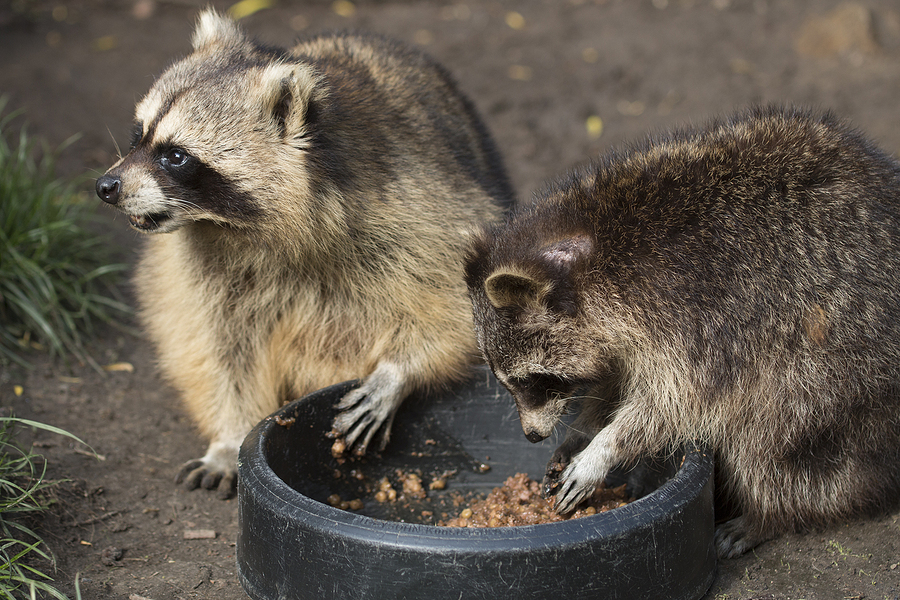
Raccoons are highly adaptable animals that thrive in urban environments, often causing property damage and posing potential health risks.
These intelligent mammals are drawn to residential areas because of easy access to food sources like garbage cans, pet food, and compost bins. Raccoons can cause significant damage by tearing up roofing materials to access attics, destroying insulation, and contaminating spaces with droppings that may carry parasites or disease.
Under Indiana law, resident landowners or tenants can legally capture raccoons on property they own or rent if the animal is causing damage or threatening safety. You must release or euthanize the animal within 24 hours of capture. Any released raccoons must remain in the county where they were captured, and you need the landowner’s permission for the release site.
If you’re not the property owner, you’ll need written permission from the landowner to trap raccoons, and no compensation can be exchanged for this service. Otherwise, a nuisance wild animal control permit is required.
Important safety consideration: Raccoons are among the most common rabies carriers. Never handle a raccoon with bare hands and report any bites or scratches to your county health department immediately. Wash wounds thoroughly with soap and running water for at least 10 minutes before seeking medical attention.
Managing Squirrel Infestations
Gray squirrels and fox squirrels frequently invade attics and cause structural damage, but they can be managed using the same regulations that apply to raccoons. Squirrels chew through wooden beams, electrical wiring, and insulation, creating fire hazards and costly repairs. They’re most active during fall when seeking warm nesting sites for winter, and again in spring during breeding season.
Property owners can trap squirrels using live cage traps without a permit if the animals are causing damage. The same 24-hour possession rule applies—you must either release the squirrel in the same county with landowner permission or euthanize it humanely. These animals cannot be kept as pets, sold, or relocated across county lines.
Prevention is often the most effective long-term solution. Trim tree branches that hang within six feet of your roofline, seal entry points with heavy-gauge wire mesh, and secure vents with appropriate covers. Once squirrels are removed, repairs should be completed immediately to prevent re-entry.
Note that red squirrels have different protections and can be taken year-round without permits or limits, unlike their gray and fox cousins.
Dealing with Bats in the Attic
Bats provide valuable pest control by consuming insects, but when they roost in homes, they create health hazards and require careful, legal removal. Indiana hosts several bat species, and some are protected due to declining populations. Bats can enter through openings as small as half an inch, often roosting in attics, chimneys, and wall cavities. Their droppings (guano) can harbor histoplasmosis spores, a fungal disease that affects the lungs.
Indiana law allows individuals to take up to five bats within a 24-hour period from a dwelling if the bat presents a demonstrable but non-immediate threat to human safety—without requiring a permit. However, bat removal must be done humanely, and any bats taken should be reported to the Indiana DNR’s sick or dead wildlife reporting tool.
Critical timing restrictions: The best times for bat eviction are spring or autumn. These seasons help avoid trapping young bats inside during maternity season. One-way exclusion devices are the recommended removal method—these funnel-shaped barriers allow bats to leave but prevent their return.
Larger bat colonies or circumstances beyond the five-bat limit require either a permit or the services of a licensed wildlife control operator. Maintaining your home’s exterior by sealing cracks, repairing loose soffits, and capping chimneys prevents bats from entering in the first place.
Rabies alert: Bats are the most common species to test positive for rabies in Indiana. Never handle bats with bare hands. If someone is bitten or scratched, seek medical care immediately and have the bat tested for rabies by contacting your county health department.
Groundhogs and Property Damage
Groundhogs (also called woodchucks) cause extensive damage by burrowing under structures and consuming garden plants, but they’re among the easiest wildlife pests to manage legally.
These large rodents excavate complex burrow systems that can undermine foundations, sidewalks, and patios. A single groundhog can remove up to 700 pounds of soil while digging, and their tunnels attract other animals like skunks and raccoons.
Groundhogs are not protected by the Indiana Department of Natural Resources and can be captured or killed year-round without any permit, hunting license, or trapping license. There are no limits on the number you can take, making them the most straightforward wildlife pest to address. However, always check local ordinances regarding firearm discharge before using lethal methods.
Live trapping with cage traps baited with fresh vegetables, apples, or cantaloupe proves effective. Unlike other species, groundhogs can be relocated more freely, though landowner permission at the release site is still required as a courtesy.
Preventive measures include installing L-shaped barriers buried 12-18 inches deep around vulnerable structures, removing brush piles that provide cover, and maintaining short grass around your property’s perimeter.
Skunk Removal and Prevention
Skunks defend themselves with a notorious spray and can carry rabies, making professional removal the safest option despite legal allowances for property owners.
These black-and-white mammals typically den under porches, decks, and sheds, especially during colder months or when raising young. While their spray is more of a nuisance than a health threat, the odor is extremely difficult to remove and can permeate homes, cars, and belongings.
Landowners and tenants can legally trap skunks causing property damage or safety concerns using the same regulations that govern raccoon removal. Captured skunks must be released or euthanized within 24 hours, released only in the same county with permission, and cannot be possessed for more than 48 hours total.
Emerging concern: In 2024, skunk-variant rabies was detected in southeastern Indiana for the first time in 20 years. This makes proper handling even more critical. Never approach or handle a skunk that appears docile, confused, or active during daylight hours—these are potential signs of rabies infection.
If you encounter a skunk on your property, remain calm and back away slowly. Skunks typically spray only when cornered or startled. Remove attractants like fallen fruit, pet food, and accessible garbage. Close off potential den sites by installing hardware cloth barriers with one-way doors that allow skunks to exit but not return.
Due to spray risk and rabies concerns, many homeowners choose professional wildlife control services for skunk removal.
Frequently Asked Questions
Do I need a permit to remove wildlife from my Indianapolis property?
It depends on the species and your relationship to the property. Landowners and tenants can remove raccoons, squirrels, skunks, and similar protected species without a permit if the animals are causing damage. Groundhogs, moles, mice, and voles never require permits.
Bats have specific limits (up to five per 24 hours from a dwelling), and larger removals require permits or professional operators. If you’re not the property owner, you need written permission and potentially a nuisance wild animal control permit.
What should I do if I’m bitten or scratched by wildlife?
Wash the wound immediately with soap and running water for at least 10 minutes. Seek medical attention right away, even if the wound seems minor. Contact your county health department to report the incident. If possible, safely capture or confine the animal without risking further exposure—the animal may need to be tested for rabies. Never attempt to capture the animal with bare hands.
Can I relocate wildlife to a park or natural area?
No. Indiana law requires that any released wildlife remain in the county where it was captured, and you must have explicit permission from the landowner or property manager before releasing animals on any property, including public land. Most wildlife relocated to unfamiliar areas struggle to survive due to lack of established territories, food sources, and shelter.
When is it illegal to remove bats from my home?
While Indiana law doesn’t specify exact blackout dates, bat exclusion is strongly recommended only during spring or autumn. These seasons avoid trapping flightless young bats inside during maternity season. Professional wildlife operators follow these guidelines to ensure humane removal. Large-scale bat removal or circumstances beyond the five-bat limit always require professional assistance with proper permits.
Are there local Indianapolis ordinances I should know about?
Yes. Always check Marion County and Indianapolis city ordinances before using firearms, even on your own property. Local regulations may restrict discharge of weapons within city limits regardless of state wildlife laws. Trapping methods must also comply with any local animal control regulations. When in doubt, consult with local authorities or professional wildlife control services.
Quick Recap:
- Raccoons, squirrels, and skunks: Can be trapped by landowners/tenants without permits when causing damage; must release or euthanize within 24 hours; release only in same county with permission
- Bats: Limit of five per 24 hours from dwellings; best removed in spring/autumn using one-way exclusion devices; never handle with bare hands due to rabies risk
- Groundhogs: No permits required; can be removed year-round with any method; check local firearm ordinances
- All wildlife: Cannot be sold, traded, or kept as pets; report all animal bites to county health department; wash bite wounds immediately
- Professional help: Recommended for large infestations, species beyond legal limits, or when safety is a concern
Final Thoughts
Understanding how to handle common wildlife pests protects your property while respecting Indiana’s regulations and animal welfare. Most wildlife conflicts can be resolved with proper exclusion techniques and removal of food attractants. However, the complexities of state regulations, seasonal restrictions, and safety concerns often make professional assistance the wisest choice.
Need expert wildlife control in Indianapolis? Trapper Joe’s provides safe, humane, and fully compliant wildlife removal services throughout Indianapolis and surrounding areas. Our licensed professionals handle everything from initial inspection to exclusion work, ensuring your wildlife problems are resolved permanently. Contact us today for a consultation and let our experienced team restore peace of mind to your home.
Related Post: Animal-Proof 101: Things That Attract Nuisance Wildlife to Your Property