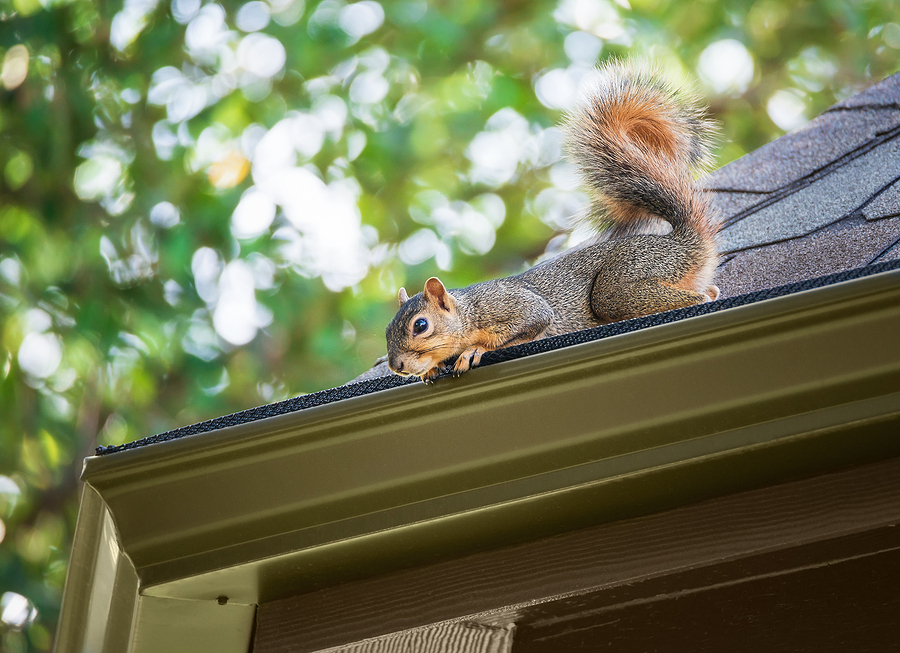
The sound is unmistakable—a frantic scratching or scurrying noise coming from directly above your head. For many homeowners, this unsettling soundtrack is the first sign that their roof has become a cozy nursery for a family of squirrels. While these bushy-tailed creatures may seem harmless in the park, they can cause significant damage to your home’s infrastructure and electrical wiring once they move in.
A squirrel infestation isn’t just a nuisance; it’s a threat to the safety and sanitation of your home. Chewed wires can pose fire hazards, while soiled insulation can lead to costly repairs and health concerns. Fortunately, with the right knowledge and preventative measures, you can reclaim your attic and keep these uninvited guests outdoors where they belong.
Understanding Squirrel Behavior and Nesting Habits
To effectively keep squirrels out, you first need to understand why they want to get in. Squirrels are instinctual nesters looking for warm, dry, and safe places to raise their young—and your attic fits the bill perfectly.
When are squirrels most active?
Squirrels typically have two breeding seasons per year: once in mid-winter (breeding in December/January with births in February) and again in late spring (breeding in June with births in August). During these periods, female squirrels are desperate to find secure shelter. This means your home is most vulnerable to intrusion in late fall and early spring.
Why attics?
In the wild, squirrels build nests called dreys in the forks of tall trees. However, an attic offers superior protection from predators like hawks and owls, as well as insulation from harsh weather. Once a female squirrel establishes a nest in your insulation, she becomes very territorial and difficult to evict, especially if she has a litter of “kits” (baby squirrels) dependent on her.
Identifying Squirrel Entry Points
Squirrels are persistent and agile climbers, capable of squeezing through surprisingly small openings. A hole as small as 1 ½ inches is often enough for an adult squirrel to gain entry. To secure your home, you must identify and inspect common vulnerabilities around your roofline.
Soffits and Fascia Boards
The soffit (the underside of the roof overhang) and fascia (the board facing outward) are prime targets. If water damage has softened the wood, squirrels can easily chew right through it. Even aluminum or vinyl soffits can be pushed up or torn open by a determined animal.
Roof Vents and Gable Vents
Attic vents are essential for air circulation, but standard insect screens are no match for squirrel teeth. Squirrels frequently gnaw through flimsy screening or plastic vent covers to access the warmth inside.
Chimneys and Flues
An uncapped chimney is essentially an open door. Squirrels may fall in accidentally or climb down intentionally to nest on the smoke shelf. Once inside a slick flue tile, they often cannot climb back out and may end up in your fireplace or basement.
Roof Intersections
Areas where different rooflines meet or where dormers join the main roof are prone to gaps. As houses settle, these construction joints can open up just enough to invite a curious rodent.
Schedule a Squirrel Removal Estimate Right Now ✏
Effective Methods for Squirrel Prevention
Once you have identified potential weak spots, it is time to fortify your home. Prevention is far more cost-effective than repairing damage after an infestation.
Sealing Entry Points
The most effective way to block entry is by using materials that squirrels cannot chew through. Avoid using expanding foam alone, as squirrels can gnaw through it in minutes. Instead, use 1/4-inch wire mesh (hardware cloth) or heavy-gauge sheet metal.
- Vents: Install hardware cloth behind or over existing vent covers. Secure it with screws rather than staples to prevent it from being pulled loose.
- Chimneys: Install a professional-grade stainless steel chimney cap. This not only keeps squirrels out but also prevents rain and birds from entering.
- Holes: For small holes in wood or siding, stuff the opening with copper mesh or steel wool before sealing it with high-quality caulk or wood filler. The metal mesh makes it painful for animals to chew back through.
Tree Trimming and Management
Squirrels are acrobatic jumpers. To minimize their access to your roof, you should maintain a “no-jump zone” around your home. Experts generally recommend trimming tree branches so they are at least 6 to 10 feet away from your roofline [1].
If you have power lines running to your house that squirrels use as a highway, consider asking your utility company if they can install slit plastic piping over the lines (never attempt this yourself). This creates a spinning surface that makes it difficult for squirrels to cross [2].
Repellents and Deterrents
While physical exclusion is the gold standard, deterrents can play a supporting role.
- Baffles: If squirrels climb up posts or poles to reach your roof, installing metal or plastic baffles can prevent them from getting traction.
- Taste Repellents: Commercial sprays that taste bitter (often made with capsaicin from chili peppers) can be applied to wood or shingles to discourage chewing. However, these must be reapplied frequently and are not a permanent solution.
- One-Way Doors: If you suspect squirrels are already inside, never seal the hole immediately. You risk trapping them inside, where they will cause massive damage trying to escape or die and create an odor issue. Instead, install a one-way exclusion door that allows them to leave but not re-enter. Leave this in place for several days to ensure all animals have vacated before permanently sealing the hole.
Professional Help: When to Call an Expert
While DIY prevention is possible, active infestations often require professional intervention. This is particularly true if baby squirrels are present. Separating a mother from her young is not only inhumane but can lead to the mother causing extreme damage to your home in her frantic attempts to reach them.
Complex Rooflines
If your roof is steep, high, or complex, accessing entry points can be dangerous. Professional wildlife control services have the proper safety equipment to inspect hard-to-reach areas like dormers and upper-story eaves.
Legal Considerations
Wildlife removal is regulated by state laws. For instance, in Indiana, nuisance wild animals taken under a permit must often be released in the same county of capture or euthanized; they cannot simply be relocated to a park far away without specific permission [4]. Licensed professionals understand these regulations and ensure the process is legal and ethical.
Conclusion
If you hear scratching in your attic or spot squirrels damaging your roofline, don’t wait for the damage to get worse. Protecting your home from squirrels requires vigilance and maintenance. By understanding their nesting habits and proactively sealing entry points, you can prevent the stress and expense of an attic infestation. Remember, the goal is not just to get them out, but to keep them out for good.
Need help with a stubborn squirrel problem? Our team provides humane, effective, and professional squirrel removal and control services in Indianapolis and the surrounding counties. Contact Us Today to schedule your inspection and reclaim your peace of mind.
Related Post: Raccoons in Your Attic? A Guide to Safe Animal Removal